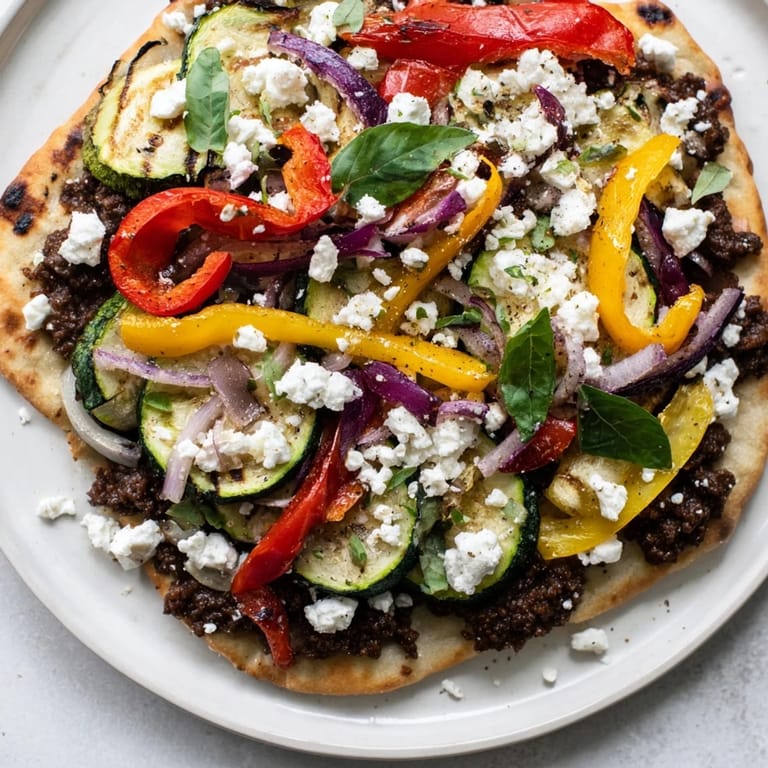
 Save
Save I discovered naan bread pizza on a Tuesday afternoon when my fridge felt empty except for a stack of naan I'd bought on impulse. Instead of tossing them, I spread some olive tapenade I'd made weeks earlier and scattered roasted vegetables on top, and suddenly lunch became something I couldn't stop talking about. What started as a way to use up ingredients became my go-to when I need something that tastes impressive but doesn't demand hours in the kitchen.
The first time I made this for friends who were stopping by after hiking, they arrived ravenous and skeptical that naan could be pizza. Three minutes into eating, someone asked for the recipe, and then another person did too. That moment when food brings people together without pretense, when they're just genuinely happy—that's when I knew this recipe worked.
Ingredients
- 4 large naan breads: These are your foundation, and they need to be fresh enough to crisp up nicely in the oven without turning hard.
- 1/2 cup pitted Kalamata olives: The briny, meaty flavor is non-negotiable here—canned works fine but check the quality because you're tasting them directly.
- 2 tablespoons capers, rinsed: Rinsing them is the step people skip but shouldn't, because it mellows the salt and lets their funky flavor shine.
- 1 garlic clove: One clove is plenty; the tapenade becomes a background note, not a garlic bomb.
- 2 tablespoons extra-virgin olive oil: Use one you actually like drinking on bread, because you'll taste it raw in the tapenade.
- 1 tablespoon lemon juice: Fresh lemon makes all the difference in cutting through the richness.
- 1 red bell pepper, sliced: The sweetness matters, so don't skip it for other vegetables.
- 1 yellow zucchini, sliced: It's softer than the eggplant and pepper, so it cooks faster and needs to go in with them.
- 1 small red onion, sliced: Red onions get almost jammy when roasted, and they add color and depth.
- 1 small eggplant, diced: Eggplant soaks up flavor like a sponge, so the olive oil matters here.
- 2 tablespoons olive oil for roasting: Don't use your fancy oil here; regular olive oil can handle the heat.
- 1/2 teaspoon dried oregano: It blooms when the vegetables roast, so you get this herbal depth that tastes intentional.
- Salt and freshly ground black pepper, to taste: Season the vegetables before they go in the oven so they develop flavor as they cook.
- 3.5 oz feta cheese, crumbled: Crumble it just before using so it doesn't dry out; room temperature feta spreads and softens better.
- 1/4 cup fresh basil leaves, torn: Torn, not cut, because basil bruises and turns black when you use a knife.
- 1/2 teaspoon chili flakes (optional): These are the wild card—they make the dish feel less predictable and wake up your palate.
Tired of Takeout? 🥡
Get 10 meals you can make faster than delivery arrives. Seriously.
One email. No spam. Unsubscribe anytime.
Instructions
- Start the vegetables hot and fast:
- Preheat your oven to 425°F while you toss the bell pepper, zucchini, red onion, and eggplant with the 2 tablespoons of olive oil, oregano, salt, and pepper. Spread them on a baking sheet in a single layer so they have room to char and caramelize instead of steam.
- Make the tapenade while they roast:
- While the vegetables are going, pulse the olives, capers, garlic, olive oil, and lemon juice in a food processor until it's coarse and chunky, not a smooth paste. You want texture that shows you've made something with care.
- Roast until they blister:
- Let the vegetables go 15-18 minutes until the edges are darkened and the flesh is tender enough that a fork slides through. This is where the magic happens, when the natural sugars concentrate and everything tastes like itself but better.
- Lay down your bases:
- Place the naan breads on a baking sheet and spread each one generously with the tapenade, making sure you get an even layer that will flavor every bite.
- Build and layer:
- Top each naan with the roasted vegetables and scatter the crumbled feta over everything, pressing it down gently so it stays put and has a chance to warm through.
- Bake until crispy:
- Bake for 5-7 minutes, watching for the moment when the naan edges turn golden and the feta starts to soften and brown slightly. This is a quick step, so stay nearby.
- Finish and serve:
- Pull them from the oven, tear fresh basil over the top, add chili flakes if you like heat, slice, and eat while the naan is still warm and the feta is creamy.
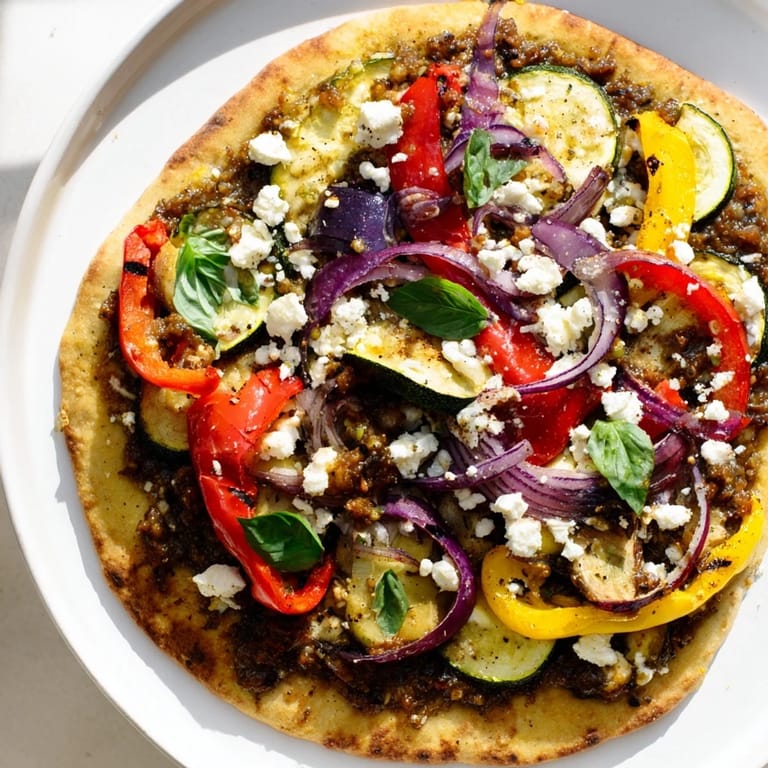 Save
Save There's something about these pizzas that makes people linger at the table instead of eating and running. Maybe it's the Mediterranean flavors that feel like a little escape, or maybe it's just that they're so pretty to look at with all those roasted colors and flecks of green basil. Either way, this dish has a way of turning a regular Tuesday into something worth remembering.
Why This Works as a Main Dish
Naan bread has this perfect thickness where it gets crispy underneath but stays pillowy inside, especially with the tapenade acting as a moisture barrier. The vegetables contribute substance and nutrition without making the whole thing heavy, and the feta brings enough richness that you feel satisfied even if you're not eating meat. This is the kind of dish that works for a weeknight when you're tired but want something better than pasta, and for guests when you want to seem like you've put thought into what you're serving.
The Tapenade That Changes Everything
Making tapenade from scratch is easier than most people think, and the difference between homemade and store-bought is so obvious that once you try it, you'll keep making batches. The versions in jars tend to be too smooth and sometimes have funky added flavors, but when you pulse your own olives and capers and garlic together, you get this textured, peppery base that tastes like olives first and everything else second. I now make double batches and keep it in the fridge for spreading on cheese boards, swirling into yogurt, or tossing with pasta when I need lunch faster than delivery can happen.
Seasonal Swaps and Variations
This recipe is flexible in the best way because the Mediterranean vegetables are available year-round now, but you can absolutely play with what you're roasting based on what looks good at the market. In summer, I've swapped in fresh cherry tomatoes and zucchini that were so soft they barely needed roasting. In fall and winter, mushrooms and spinach are your friends, and they bring an earthiness that feels different but equally good. You can even throw in some halloumi instead of feta if you want something that gets melty and golden, or try a plant-based feta if that's what your table needs.
- Think of the base vegetables as flexible—roast whatever seasonal produce speaks to you.
- If you make extra tapenade, it keeps for a week and transforms sandwiches and salads.
- Tear basil fresh right before serving so it stays green and aromatic instead of oxidizing to black.
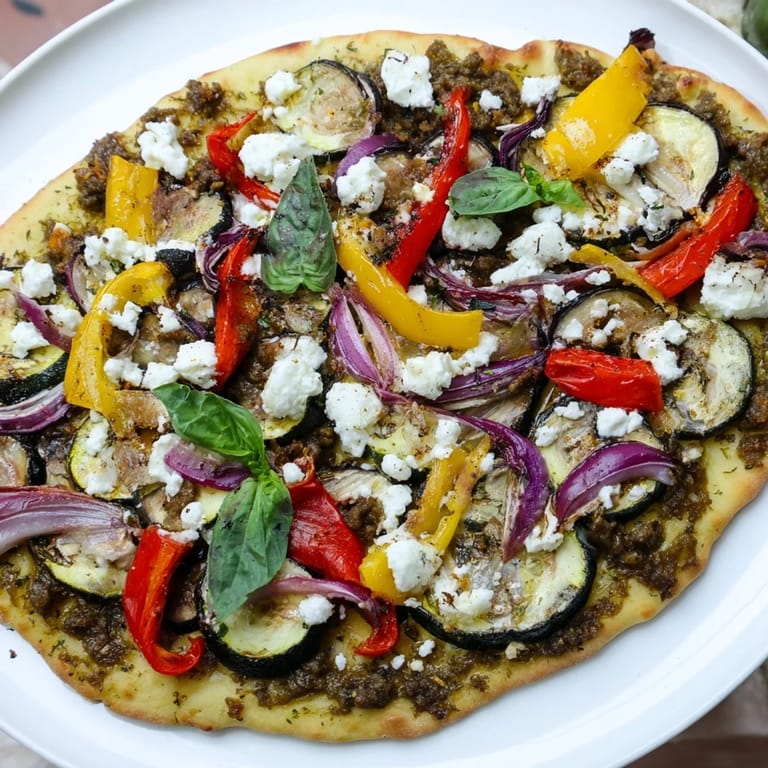 Save
Save This is the kind of recipe that invites people back to your kitchen because it tastes considered but doesn't feel fussy. You're not standing at the stove the whole time, you're not using a dozen pans, and the result is something that feels Mediterranean without the pretense.
Recipe FAQs
- → What type of bread is used?
Soft, fluffy naan bread serves as the base, offering a light and slightly chewy texture that crisps in the oven.
- → How is the olive tapenade prepared?
Kalamata olives, capers, garlic, olive oil, and lemon juice are blended into a coarse paste for a tangy, savory spread.
- → Which vegetables are ideal for roasting?
Bell peppers, zucchini, red onion, and eggplant are sliced and roasted with olive oil and herbs until tender and slightly charred.
- → Can the feta cheese be substituted?
Yes, plant-based feta alternatives work well for vegan preferences without compromising flavor.
- → What temperature is best for cooking?
Roast the vegetables at 425°F (220°C) and bake the assembled bread briefly until crisp and the cheese is lightly golden.
- → Are there any suggested beverage pairings?
A crisp Sauvignon Blanc or sparkling water with lemon complements the vibrant flavors beautifully.