 Save
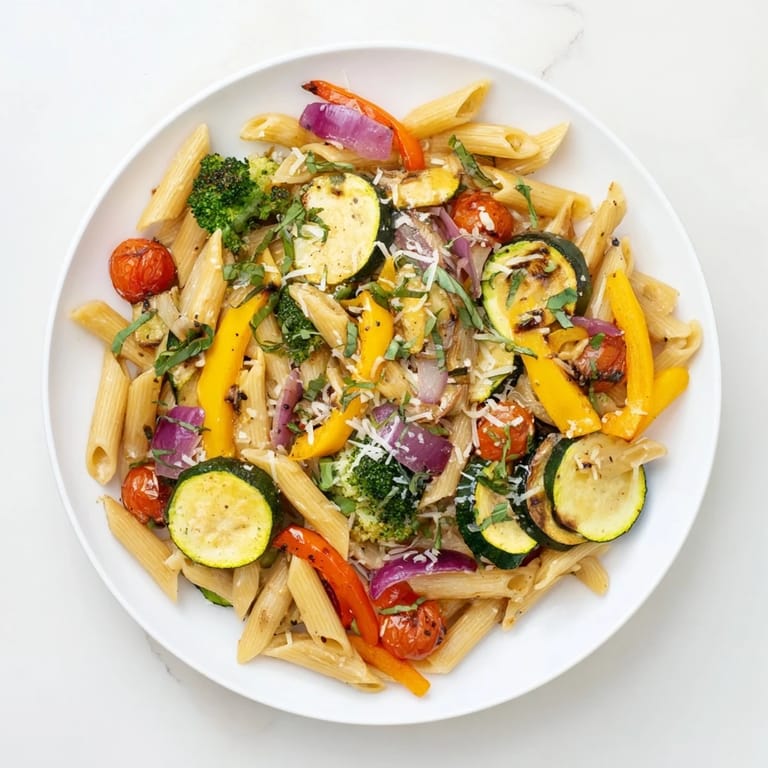
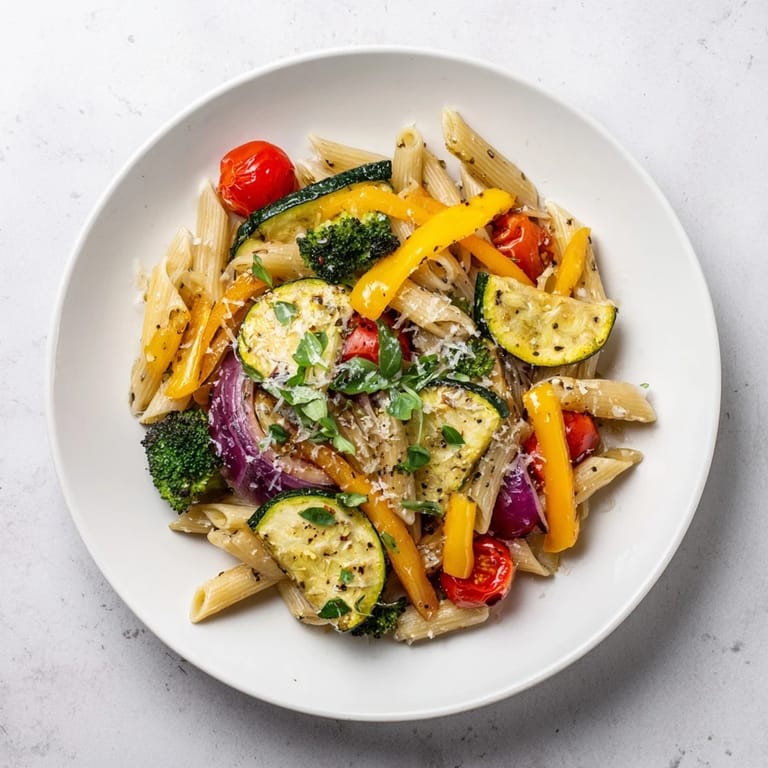
Save I walked into the kitchen one Sunday afternoon with a fridge full of vegetables that needed attention and zero plan for dinner. My neighbor had just dropped off a bag of zucchini from her garden, and I had bell peppers turning softer by the day. I pulled out a box of penne, turned the oven dial high, and decided to let the heat do most of the work. What emerged forty minutes later was this vibrant, golden-edged tangle of pasta and roasted vegetables that tasted like summer, even though it was October.
The first time I made this for friends, I panicked because I thought it looked too simple. I almost added cream or a complicated sauce, but my friend Mia took one bite and said it was perfect as it was. She went back for seconds, scraping her plate clean, and I realized that sometimes the best meals are the ones that do not try too hard. Now it is my go-to whenever I want to feed people something bright and filling without spending the whole evening at the stove.
Ingredients
- Penne or fusilli pasta (340 g): Short shapes with ridges grab onto the vegetables and oil, making every bite cohesive instead of slippery.
- Zucchini and yellow squash (1 medium each): They soften and caramelize beautifully in the oven, adding mild sweetness without overpowering the dish.
- Red and yellow bell peppers (1 each): Roasting brings out their natural sugar and gives them a slightly smoky edge that balances the garlic.
- Red onion (1 small): It mellows and sweetens as it roasts, losing any harsh bite and adding a gentle depth.
- Cherry tomatoes (150 g): They burst in the oven and release their juices, creating little pockets of tangy sweetness throughout the pasta.
- Broccoli florets (120 g): The edges crisp up while the stems stay tender, adding texture contrast and a slight bitterness that rounds out the sweetness.
- Extra virgin olive oil (3 tbsp, divided): Use a good one here because it coats everything and carries the garlic and herb flavor into each bite.
- Garlic (3 cloves, minced): Sautéing it briefly in oil before tossing keeps it fragrant and mellow instead of sharp or burnt.
- Dried Italian herbs (1 tsp): A blend of oregano, basil, and thyme adds warmth without needing to chop fresh herbs for the roasting step.
- Salt and black pepper (½ tsp and ¼ tsp): Season the vegetables before roasting so the flavors penetrate deeply instead of sitting on the surface.
- Red pepper flakes (pinch, optional): Just a hint adds a gentle heat that wakes up the whole dish without making it spicy.
- Parmesan cheese (50 g, freshly grated): It melts into the warm pasta and clings to the vegetables, adding salty richness that ties everything together.
- Fresh basil or parsley (2 tbsp, chopped): Stirred in at the end, it adds brightness and a pop of green that makes the dish feel alive.
- Lemon wedges (optional): A squeeze at the table cuts through the richness and lifts all the other flavors without being intrusive.
Tired of Takeout? 🥡
Get 10 meals you can make faster than delivery arrives. Seriously.
One email. No spam. Unsubscribe anytime.
Instructions
- Preheat and prep the baking sheet:
- Set your oven to 220°C (425°F) and line a large baking sheet with parchment paper. This keeps the vegetables from sticking and makes cleanup easier later.
- Arrange and season the vegetables:
- Spread the zucchini, yellow squash, bell peppers, red onion, cherry tomatoes, and broccoli in a single layer on the sheet. Drizzle with 2 tablespoons of olive oil, sprinkle with Italian herbs, salt, and pepper, then toss everything with your hands until every piece is lightly coated.
- Roast the vegetables:
- Slide the sheet into the oven and roast for 18 to 20 minutes, stirring once halfway through. You want the edges golden and slightly charred, with the tomatoes starting to collapse.
- Cook the pasta:
- While the vegetables roast, bring a large pot of salted water to a rolling boil. Add the pasta and cook until al dente, following the package timing. Before draining, scoop out half a cup of the starchy pasta water and set it aside.
- Sauté the garlic:
- In a large skillet over medium heat, warm the remaining tablespoon of olive oil. Add the minced garlic and cook for about 30 seconds, stirring constantly, just until it smells sweet and fragrant.
- Combine everything:
- Add the roasted vegetables and drained pasta to the skillet with the garlic. Toss gently with tongs, adding splashes of the reserved pasta water to loosen and help the oil coat everything evenly.
- Finish and season:
- Remove the skillet from the heat and stir in half of the Parmesan and the chopped fresh basil or parsley. Taste and adjust the salt and pepper if needed.
- Serve:
- Divide the pasta among four bowls, then top each with the remaining Parmesan and extra herbs. Serve with lemon wedges on the side for anyone who wants a bright citrus finish.
 Save
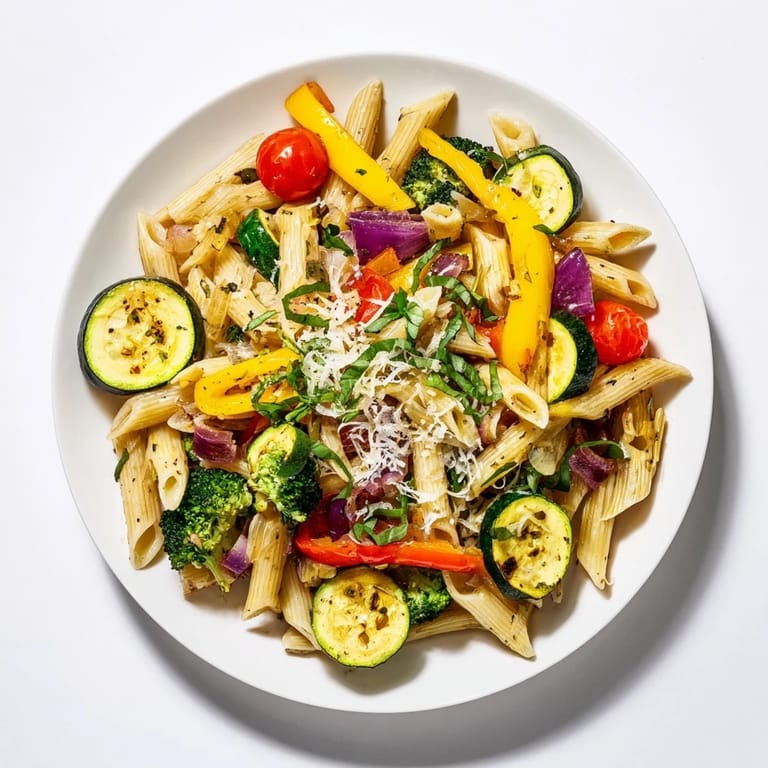
Save One evening I served this to my dad, who usually insists that pasta needs meat to be a real meal. He finished his plate without a word, then looked up and asked if there was more. I handed him the serving bowl and watched him scrape it clean, and I knew then that this dish had earned its place at the table. It proved that vegetables, when treated right, can be the main event.
Making It Your Own
This recipe is forgiving and adaptable, which is why it works so well when your fridge is full of odds and ends. I have swapped in asparagus in spring, mushrooms in fall, and snap peas when I find them on sale. You can add grilled chicken or shrimp if you want protein, or toss in a can of drained chickpeas for a plant-based boost. The key is to keep the vegetable-to-pasta ratio roughly the same so everything stays balanced and nothing gets lost.
Storing and Reheating
Leftovers keep well in an airtight container in the fridge for up to three days, and honestly, they taste even better after a night of sitting together. The garlic mellows, the Parmesan melts into every crevice, and the flavors deepen in a way that makes cold pasta straight from the container completely acceptable. To reheat, add a splash of water or olive oil to a skillet and warm over medium heat, tossing gently until heated through. The microwave works too, but the skillet brings back some of that roasted texture.
Pairing and Serving Ideas
I usually serve this with crusty bread to mop up any oil and Parmesan left in the bowl, and maybe a simple green salad dressed with lemon and olive oil. A chilled glass of Pinot Grigio or Sauvignon Blanc cuts through the richness and echoes the brightness of the vegetables. If you are feeding kids or anyone who is not into wine, sparkling water with a slice of lemon feels just as refreshing.
- Add a handful of toasted pine nuts or slivered almonds for crunch and richness.
- Drizzle with balsamic glaze just before serving for a sweet-tart finish.
- Stir in a spoonful of pesto at the end for an herby, garlicky punch.
 Save
Save This is the kind of meal that makes you feel good about cooking, because it is simple, flexible, and always welcomed. Every time I make it, I am reminded that the best dishes are often the ones born out of necessity and a willingness to trust what you have on hand.
Recipe FAQs
- → Can I prepare the vegetables ahead of time?
Yes, you can chop and arrange vegetables on the baking sheet up to 4 hours in advance. Cover with plastic wrap and refrigerate. When ready to cook, add the olive oil and seasonings, then roast as directed.
- → What type of pasta works best?
Penne and fusilli are ideal because their shapes trap the roasted vegetables and light sauce. You can also use rigatoni, farfalle, or any medium pasta shape you prefer.
- → How do I make this creamy without dairy?
Reserve extra pasta cooking water—the starch creates a naturally silky texture when tossed with the vegetables. You can also use nutritional yeast or dairy-free Parmesan alternatives for the finishing touch.
- → What vegetables can I substitute?
Primavera celebrates seasonal produce. Try asparagus, snap peas, mushrooms, green beans, artichoke hearts, or eggplant. Aim for a mix of textures and colors, adjusting roasting time based on vegetable density.
- → Can I add protein to this dish?
Absolutely. Pan-sear diced chicken breast or shrimp separately and toss in during the final step. Roasted chickpeas or cannellini beans work wonderfully for vegetarian protein options.
- → Why is pasta water important?
Pasta water contains starch that emulsifies with the olive oil, creating a light, glossy sauce that coats every strand and vegetable. This is the secret to restaurant-quality texture without cream.