 Save
Save My coworker Maria walked past my desk one Tuesday with the most beautiful lunch bowl I'd ever seen, and when she caught me staring, she just laughed and said, "It's whatever I had in my fridge." That moment changed how I thought about weeknight dinners. A customizable grain bowl isn't a recipe you follow rigidly, it's more like permission to stop overthinking lunch and just build something nourishing that speaks to what you're craving that day. Whether you're meal prepping for the week or throwing together dinner with pantry staples, this approach transforms ordinary ingredients into something that feels intentional and delicious.
I made these bowls for a Sunday gathering with friends who all had different eating styles, and watching everyone customize their own plate felt less like accommodation and more like celebration. Someone added extra tahini, another person skipped the grain entirely and went greens-heavy, and one friend discovered they loved sesame seeds on everything. It was the first time I realized that flexibility in cooking isn't a compromise, it's actually the whole point.
Ingredients
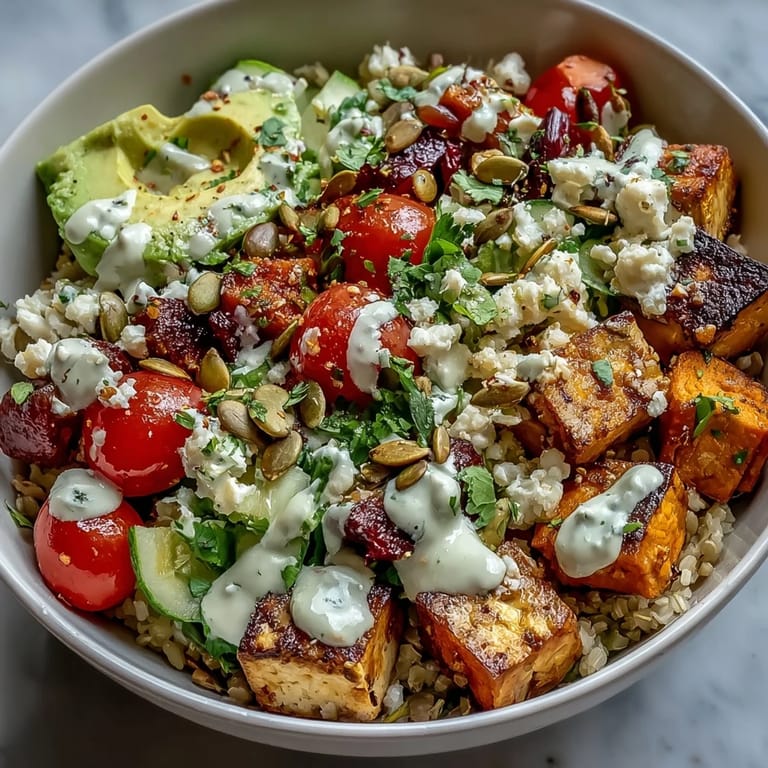
- Grains (1 to 2 cups total): Brown rice, quinoa, farro, or couscous each bring different textures and nutrition, so pick based on what's already in your pantry or what feels right for the bowl's direction.
- Proteins (1 cup total): Chicken, tofu, chickpeas, or shrimp work equally well, and using leftover proteins from earlier in the week saves real time during assembly.
- Fresh vegetables (3 to 4 cups total): Raw or roasted depending on mood, season, and what needs using up, with cherry tomatoes adding brightness and roasted sweet potato bringing warmth.
- Avocado (1 whole fruit): Sliced just before serving so it stays creamy and doesn't oxidize, adding richness that balances sharper flavors.
- Toppings (cheese, seeds, nuts, herbs): These small additions create texture contrast and make each bite feel intentional, so don't skip them even if quantities seem minimal.
- Dressings (¼ cup): Whether it's lemon-tahini, balsamic, soy-ginger, or green goddess, the dressing is what ties everything together and deserves the same attention as the main components.
Tired of Takeout? 🥡
Get 10 meals you can make faster than delivery arrives. Seriously.
One email. No spam. Unsubscribe anytime.
Instructions
- Cook your grains ahead if you can:
- Most grains take about 20 to 25 minutes simmering in salted water, and letting them cool slightly before assembly makes everything easier to handle. I like cooking a bigger batch on Sunday so I can grab a portion all week without repeating the step.
- Get your protein ready:
- Whether it's leftover rotisserie chicken you're shredding, tofu you're baking at 400°F for 25 minutes until golden, or canned chickpeas you're draining and rinsing, having it ready before you build bowls keeps everything moving smoothly.
- Prep vegetables with intention:
- Wash and chop what you're using raw, and roast heartier vegetables like sweet potato or broccoli at 425°F for about 20 minutes so they caramelize slightly. The sound and smell of something roasting in the oven makes the whole bowl feel more special.
- Assemble thoughtfully:
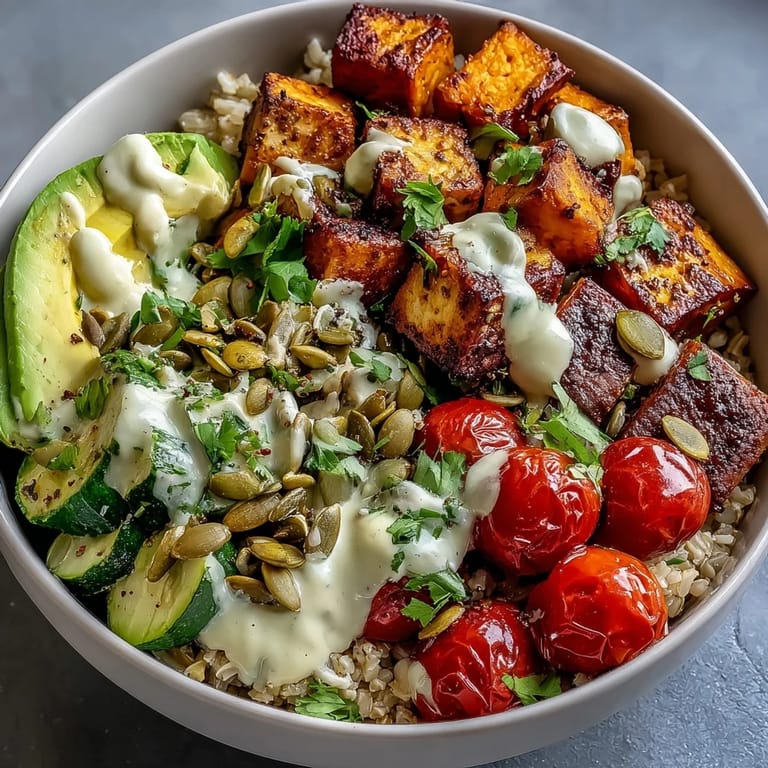
- Start with a generous handful of grain as your base, then arrange proteins and vegetables so colors show, creating a bowl that looks as good as it tastes. This visual step matters more than you'd expect when you're eating with your eyes first.
- Layer toppings and dress just before eating:
- Sprinkle seeds, nuts, cheese, and herbs right when you're about to serve, then drizzle dressing so everything stays bright and textures don't get soggy. If you're prepping for the week, keep dressing in a small container and add it when you're ready to eat.
 Save
Save My partner once asked why I was spending time arranging vegetables in circles when I could just dump everything together, and I had no eloquent answer except that it somehow made eating feel less rushed. There's something about a thoughtfully assembled bowl that signals to your body and mind that you deserve nutrition that also feels like care.
Building Your Perfect Combination
The beauty of grain bowls is they're almost impossible to mess up because contrast is the goal, not harmony. I've paired quinoa with roasted broccoli and tahini dressing on a day when I needed something substantial, and the next week went light with couscous, cucumber, and a lemon vinaigrette when my appetite was smaller. Thinking about balance between warm and cool, raw and cooked, creamy and crunchy makes the assembly process feel more like play than responsibility.
Dressing Decisions That Matter
The dressing you choose honestly changes the entire personality of your bowl, and I've learned this the hard way by making a Mediterranean grain situation and drowning it in sriracha when I meant to be going subtle. Tahini-based dressings add richness and work especially well with roasted vegetables, vinaigrettes brighten raw vegetables and lighten heavier grains, and soy-ginger dressing pushes everything toward an Asian-inspired vibe. Taste your dressing straight before drizzling, and remember that a little goes a long way when the other components are already flavorful.
Storage and Batch Cooking Wisdom
The secret to actually eating these bowls throughout the week is keeping everything separate until you're ready to eat, which sounds like extra work but genuinely isn't once you establish a rhythm. I keep cooked grains in one container, proteins in another, roasted vegetables in a third, and fresh vegetables in whatever space remains in the fridge. Assembly takes about two minutes when you're ready to eat, and nothing has gone soggy or oxidized or forgotten at the back of a shelf.
- Grains stay fresh for up to five days when stored in airtight containers, making them your reliable foundation for multiple bowls.
- Roasted vegetables taste better after a day in the fridge when flavors have settled, so don't hesitate to prep them well in advance.
- Keep dressing separate and only add it right before eating so textures stay distinct and nothing goes mushy.
 Save
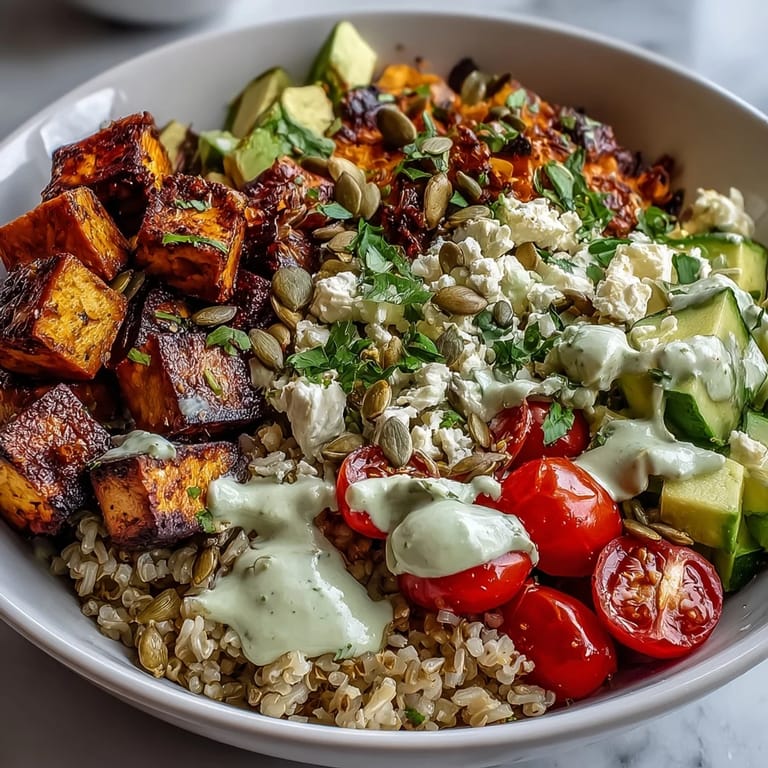
Save These bowls have become my quiet answer to the question of what to eat when I'm tired of deciding. You get nutrition, flexibility, and the satisfaction of something that tastes intentional without requiring you to memorize techniques.
Recipe FAQs
- → What grains work best for this bowl?
Brown rice, quinoa, farro, and couscous all work beautifully. Choose based on texture preference and dietary needs. Quinoa offers complete protein while farro provides a chewy, nutty bite.
- → How do I store this for meal prep?
Keep components separate in airtight containers. Grains and proteins last 4-5 days refrigerated. Store vegetables and dressings separately, then assemble when ready to eat for best texture and freshness.
- → Can I make this vegan?
Absolutely. Choose plant-based proteins like tofu or chickpeas, skip the cheese, and use a dairy-free dressing. The tahini or balsamic vinaigrette options are perfect for vegan variations.
- → What vegetables add the most flavor?
Roasted sweet potatoes bring sweetness, while cherry tomatoes offer brightness. Steamed broccoli adds substance, and avocado provides creamy richness. Mix cooked and raw vegetables for varied texture.
- → How can I add more protein?
Combine two protein sources like chicken and chickpeas, or add a hard-boiled egg. Extra toppings like hemp seeds, chopped almonds, or pumpkin seeds also boost protein content naturally.
- → What dressing pairs well with these ingredients?
Lemon-tahini adds creamy richness, balsamic vinaigrette offers tangy brightness, soy-ginger provides Asian-inspired depth, and green goddess delivers herbaceous freshness. Match dressing flavors to your protein choice.