 Save
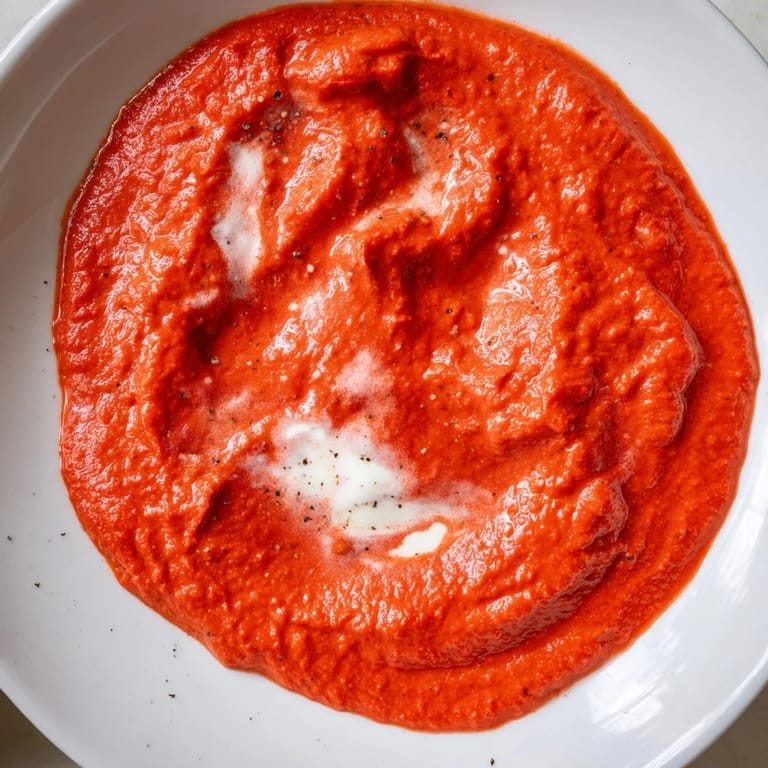
Save I discovered this sauce by accident on a Tuesday night when I was out of jarred marinara and too hungry to care. A friend had left some tomato sauce in my pantry months ago, and I had butter sitting around—so I threw them together over heat and watched as something almost magical happened. Within minutes, the sauce transformed into this glossy, velvety thing that tasted nothing like its humble parts. Now it's my go-to when I need dinner on the table before the mood passes.
The first time I served this to someone who mattered, I was nervous—it felt too simple to share. But watching them twirl pasta on their fork and close their eyes, I realized the best meals aren't complicated, they're just made with intention. That moment taught me that this sauce deserves a permanent spot in my cooking rotation.
Ingredients
- Tomato sauce: Use plain, unsalted if you can find it—this gives you control and lets the butter shine through instead of competing with salt.
- Unsalted butter: This is where the magic lives; it emulsifies into the sauce and creates that restaurant-quality creaminess you're after.
- Garlic powder: Fresh garlic burns too easily at medium heat, but powder distributes evenly and deepens the flavor without fuss.
- Salt and black pepper: Taste as you go; different brands of tomato sauce have different salt levels, so you're the boss here.
- Heavy cream: Optional, but it pushes the sauce into luxurious territory if you're feeling indulgent.
- Dried Italian herbs: A whisper of basil or oregano rounds out the flavor, but skip it if you prefer to keep things pure.
Tired of Takeout? 🥡
Get 10 meals you can make faster than delivery arrives. Seriously.
One email. No spam. Unsubscribe anytime.
Instructions
- Combine and melt:
- Pour your tomato sauce and butter into a medium saucepan over medium heat and watch the butter begin its slow dissolve into the red. Stir occasionally so nothing sticks to the bottom, and you'll smell the butter getting toastier—that's your signal you're in the right zone.
- Let it simmer:
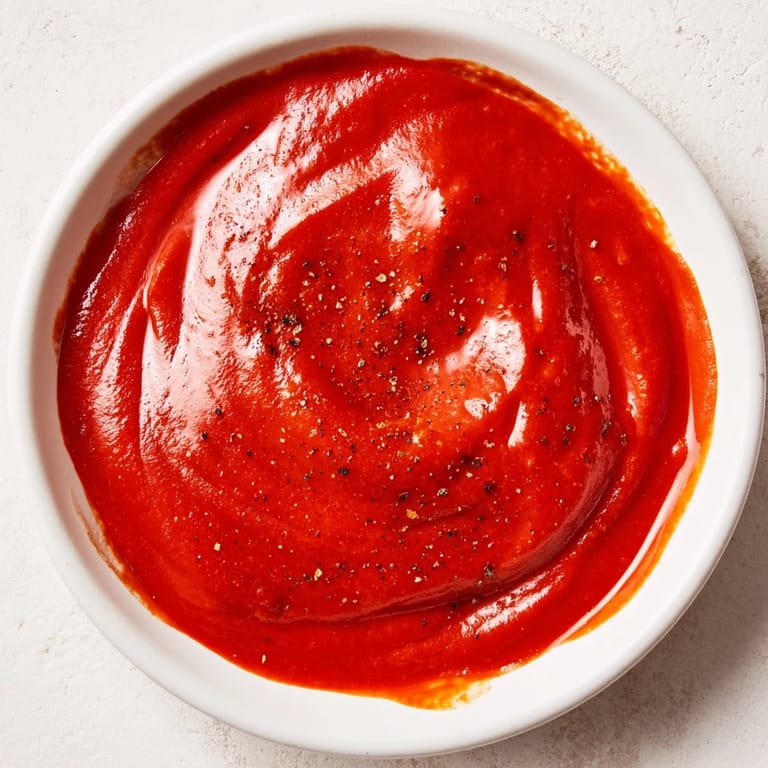
- This takes about five minutes, and the sauce will start to bubble gently around the edges, becoming glossier and more unified with each stir. Don't rush this; the emulsification is what makes it taste expensive.
- Season and taste:
- Add your salt and pepper, stir, and taste on a spoon or a tiny piece of bread—this is the moment to adjust, before you've committed to serving it.
- Optional richness:
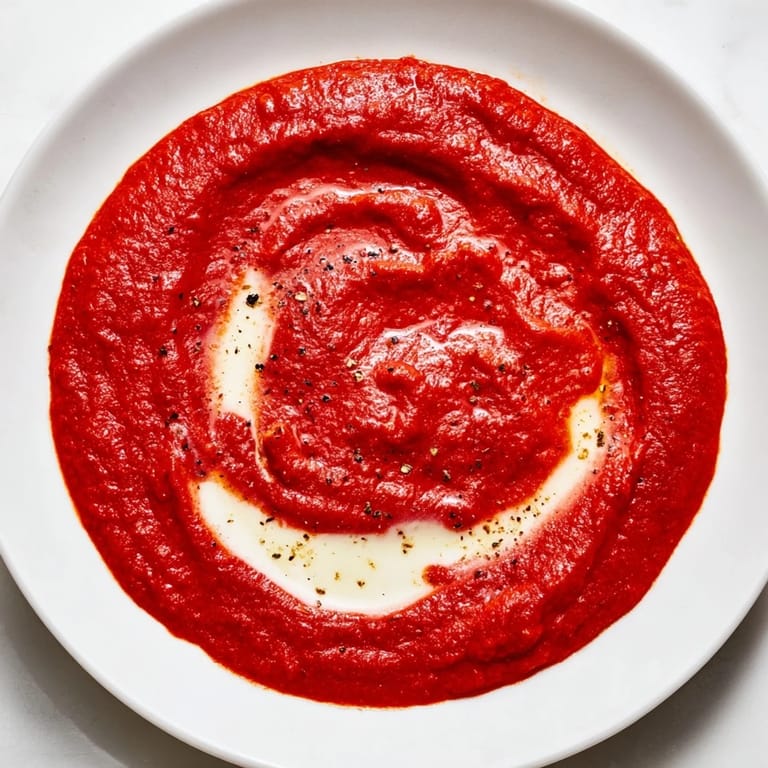
- If you're using cream and herbs, this is when they go in, swirled in gently while the sauce is still moving. Let it simmer another couple of minutes so the flavors knit together.
- Final check and serve:
- Give it one last stir, taste again if you're unsure, and pour it hot over whatever carb is waiting for it.
 Save
Save There's something grounding about a sauce that asks so little but delivers so much—it reminds me that sometimes the best shortcuts aren't laziness, they're wisdom. This one has taught me to trust simple recipes and my own palate.
When to Use This Sauce
I've draped this over fresh pappardelle, spread it on pizza dough before adding toppings, stirred it into creamy soups, and even used it as a dipping sauce for garlic bread when friends dropped by unexpectedly. It's flexible enough to be your backbone for bigger dishes but special enough to stand alone with just pasta and a handful of parmesan.
Storage and Keeping
Refrigerated, this sauce lasts about four days in a covered container, though honestly it rarely makes it that long in my house. You can freeze it too if you want to stash a backup for the nights when cooking feels like too much but you still want something real.
Variations and Tweaks
Once you understand this base, it becomes a platform for your moods and your pantry. I've added anchovy paste for umami depth, a squeeze of lemon juice for brightness, and red pepper flakes when I wanted heat—each change has taught me something about balance in sauce. The beauty is that there's no wrong door here, just different flavors waiting to be discovered.
- For a vegan version, swap the butter for a plant-based alternative and skip the cream, and the sauce will still turn out creamy and good.
- San Marzano tomato sauce elevates this noticeably if you have access to it and want to spend a bit more.
- A tiny pinch of sugar can balance acidity if your tomato sauce tastes sharp or metallic.
 Save
Save This sauce exists to prove that cooking doesn't have to be complicated to be delicious. Keep this in your back pocket for the nights when you need something fast, something good, and something that feels like care.
Recipe FAQs
- → What type of tomato sauce works best?
Plain unsalted tomato sauce is ideal, but fire-roasted or San Marzano varieties add richer flavor.
- → Can I make this sauce vegan?
Yes, substitute the butter with a plant-based alternative and omit the heavy cream or use a vegan cream substitute.
- → How can I adjust the sauce’s flavor?
Adding dried Italian herbs or a pinch of red pepper flakes enhances complexity and heat.
- → What dishes pair well with this sauce?
This sauce is excellent tossed with pasta, used as a base for pizza, or served as a dipping sauce.
- → How long can leftovers be stored?
Store refrigerated for up to 4 days and reheat gently before serving.