 Save
Save My neighbor handed me a bag of oranges one autumn afternoon, more than she could use, and I stood in my kitchen wondering what to do with them. That's when I remembered my grandmother mentioning how citrus brightens roasted chicken in ways you wouldn't expect—not as a main flavor, but as something that makes you pause mid-bite and think, what is that? This recipe came together that evening, a kitchen experiment that somehow felt both new and familiar.
I made this for a small dinner party last spring, and something unexpected happened—everyone got quiet when they took their first bite. Not awkward quiet, but the kind where you can tell someone's tasting something that lands differently. One friend asked if I'd added honey (I hadn't, but the orange juice caramelizes enough to feel sweet), and another kept reaching for the crispy skin. That night taught me that simple ingredients arranged thoughtfully can feel like celebration.
Ingredients
- 1 whole chicken (about 1.5 kg or 3.3 lbs), giblets removed: Pat it very dry before marinating—this tiny step is what gets your skin golden instead of steamed.
- 2 oranges, zested and juiced: Use a microplane for the zest so you get those bright oils, and don't squeeze the juice until you're ready to use it or it loses some punch.
- 3 tbsp olive oil: Good quality makes a difference here since it's coating everything; the flavor stays through roasting.
- 4 garlic cloves, minced: Mince them small so they distribute evenly and caramelize rather than burn.
- 2 tbsp fresh rosemary, chopped: Fresh is non-negotiable—dried rosemary turns bitter at high heat.
- 1 tbsp fresh thyme leaves: Strip them from the stems; the leaves flavor the marinade while the stems can go into the cavity for extra aroma.
- 1 tbsp fresh parsley, chopped: This adds brightness without competing with the rosemary and thyme.
- 1 tsp salt and ½ tsp black pepper: Don't skip seasoning the marinade properly or you'll taste the difference.
- 3 medium carrots, peeled and cut into 2-inch pieces: Carrots need those bigger chunks so they don't shrivel; smaller pieces overcook.
- 2 parsnips, peeled and cut into 2-inch pieces: They caramelize beautifully and add a subtle sweetness that plays well with orange.
- 2 medium potatoes, cut into chunks: Waxy potatoes work better than starchy ones—they hold their shape through roasting.
- 1 large red onion, cut into wedges: The natural sugars concentrate during roasting and add depth to the pan juices.
- 1 small sweet potato, peeled and cut into chunks: This adds color and a gentle sweetness that complements the herbs without overwhelming them.
- Fresh herb sprigs and orange slices for garnish (optional): These make the finished dish look like you planned for beauty, not just flavor.
Tired of Takeout? 🥡
Get 10 meals you can make faster than delivery arrives. Seriously.
One email. No spam. Unsubscribe anytime.
Instructions
- Heat your oven and prepare the space:
- Set the oven to 400°F (200°C) and let it come all the way up—this matters for that crucial initial sear on the chicken skin. While the oven preheats, pull out your roasting pan so it's ready to go.
- Build the flavor base:
- In a small bowl, combine the orange zest, orange juice, olive oil, minced garlic, chopped rosemary, thyme leaves, parsley, salt, and pepper. Stir it together and take a moment to smell it—that's what's about to coat your chicken.
- Season the chicken inside and out:
- Pat the chicken completely dry with paper towels (moisture is the enemy of crispy skin). Rub about half the marinade all over the bird, working some under the skin on the breasts and thighs where you can reach without tearing anything. Stuff the cavity with some of the orange peels and maybe a few herb sprigs for gentle internal flavor.
- Arrange the vegetables and prepare the bed:
- Toss all your root vegetables and red onion pieces with the remaining marinade, then spread them in an even layer across the roasting pan. They'll create a flavor-soaked cushion for the chicken while they roast.
- Position the chicken for even cooking:
- Place the chicken breast-side up on top of the vegetables. This orientation lets the thighs stay closer to the heat while the breast stays protected.
- Roast and baste with patience:
- Slide the pan into the oven and set a timer for 40 minutes. At that mark, pull the pan out (carefully, it's hot), use a basting brush or spoon to scoop the pan juices over the chicken, then return it to roast for another 40 minutes. The total roasting time is about 1 hour 20 minutes, until the skin is deep golden and a meat thermometer inserted into the thickest part of the thigh reads 165°F (74°C).
- Let it rest and release its juices:
- When the chicken is done, pull it from the oven and tent it loosely with foil. Let it rest for 10 minutes—this allows the juices to redistribute through the meat so every bite stays tender.
- Serve with intention:
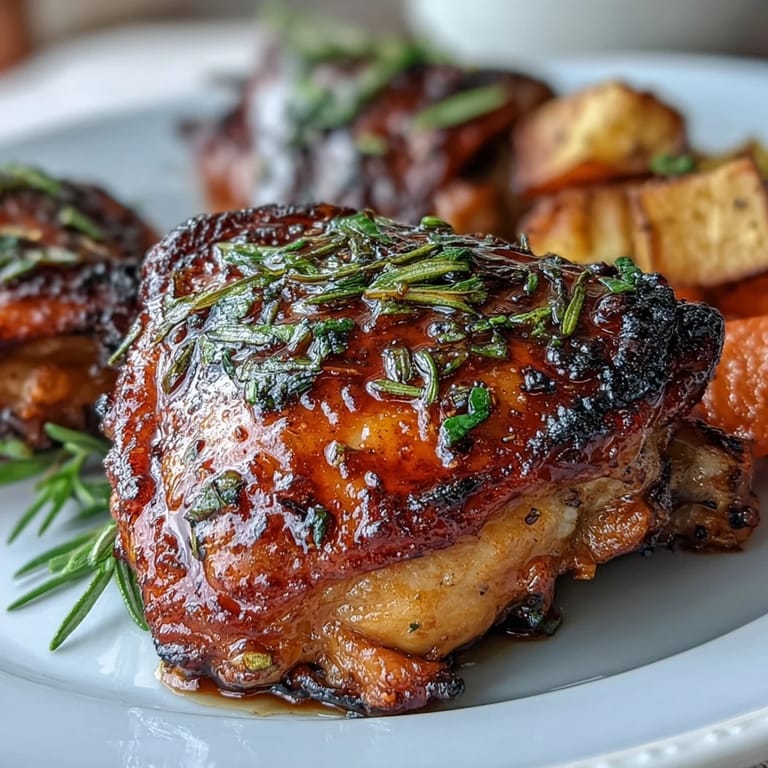
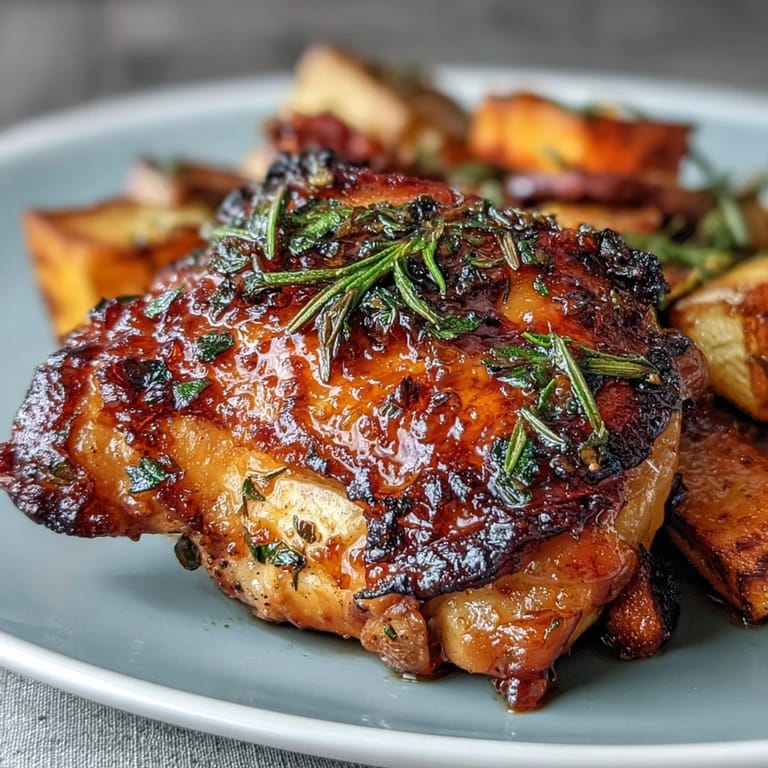
- Carve the chicken into pieces, pile it onto a platter with the roasted vegetables, spoon some pan juices over everything, and finish with fresh herb sprigs and orange slices if you want that final flourish.
 Save
Save There's a moment about halfway through roasting when the kitchen fills with this warm, herby orange scent so completely that it drowns out everything else. My kids appeared in the kitchen that day, drawn by the smell, and stood silently waiting—not complaining, just present. That's when I realized this dish had become more than dinner; it was an event, something the whole house could anticipate together.
Timing and Planning Ahead
You can prep everything the morning of—chop your vegetables, mix your marinade, even get the chicken rinsed and patted dry. Just marinate the chicken itself no more than a few hours before roasting, or the acid from the orange juice starts to over-cure the meat. The whole process from oven-preheat to carving takes about 2 hours, which makes this perfect for a relaxed weekend dinner when you want to cook but not fuss.
Reading Your Chicken's Doneness
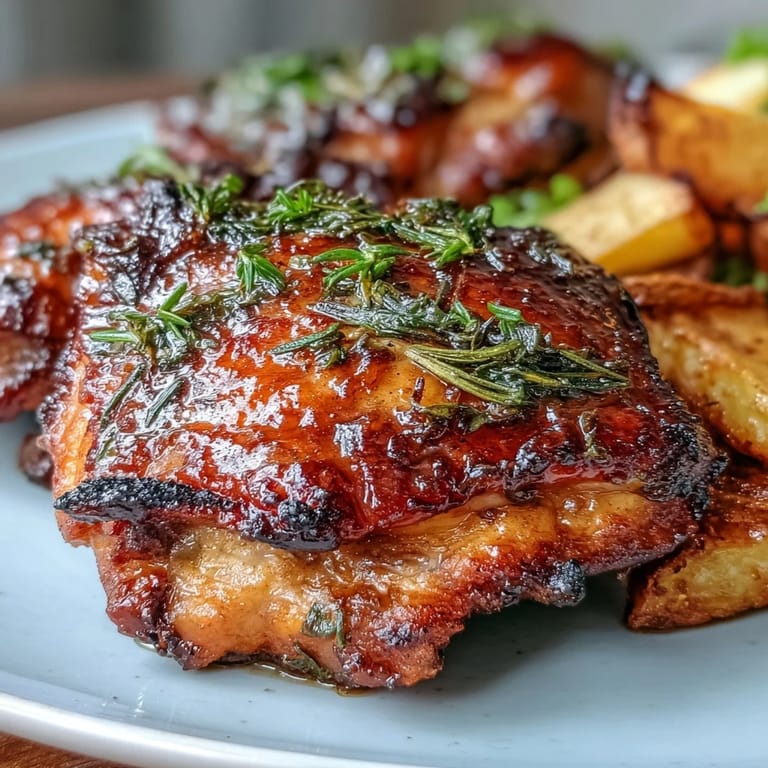
A meat thermometer is your friend here, but you can also press the thickest part of the thigh with a fork—the juices should run clear, never pink. The skin should be deep mahogany gold, almost crispy to the touch, and a leg should wiggle easily in its joint. Don't rush this part; underdone chicken is a risk, and overcooked chicken turns dry.
Making It Your Own
This recipe invites adaptation without losing its spirit. You could swap parsnips for turnips or add more carrots if that's what your grocery store had that day. Some people add a tablespoon of honey to the marinade for extra caramelization, and that works beautifully if you like things a touch sweeter. The bones and vegetable scraps make a stunning stock for soup the next day if you save them.
- Pair this with a light Chardonnay or dry Riesling if you're thinking about wine—the citrus and herbs play well with both.
- Leftovers shred beautifully into tacos or grain bowls, and the roasted vegetables are just as good cold as they are warm.
- Double the marinade if you want extra pan juices for serving alongside—nobody's ever complained about more sauce.
 Save
Save This chicken has become my go-to when I want to feed people something that feels special without making me spend the day in the kitchen. It's the kind of dish that gives back more than you put in.
Recipe FAQs
- → How do I ensure the chicken stays juicy?
Marinate the chicken thoroughly and baste it midway through roasting to lock in moisture and enhance flavor.
- → Can I substitute other vegetables for the root mix?
Yes, carrots can replace parsnips or turnips, and sweet potatoes can be swapped with regular potatoes for different textures.
- → What is the best way to check if the chicken is fully cooked?
Use a meat thermometer; the internal temperature should reach 165°F (74°C) in the thickest part of the thigh.
- → How can I enhance the marinade flavor?
Adding a tablespoon of honey to the marinade adds a subtle sweetness that balances the citrus and herbs.
- → What wine pairs well with this dish?
A light Chardonnay or dry Riesling complements the citrus and herb notes without overpowering the meal.