 Save
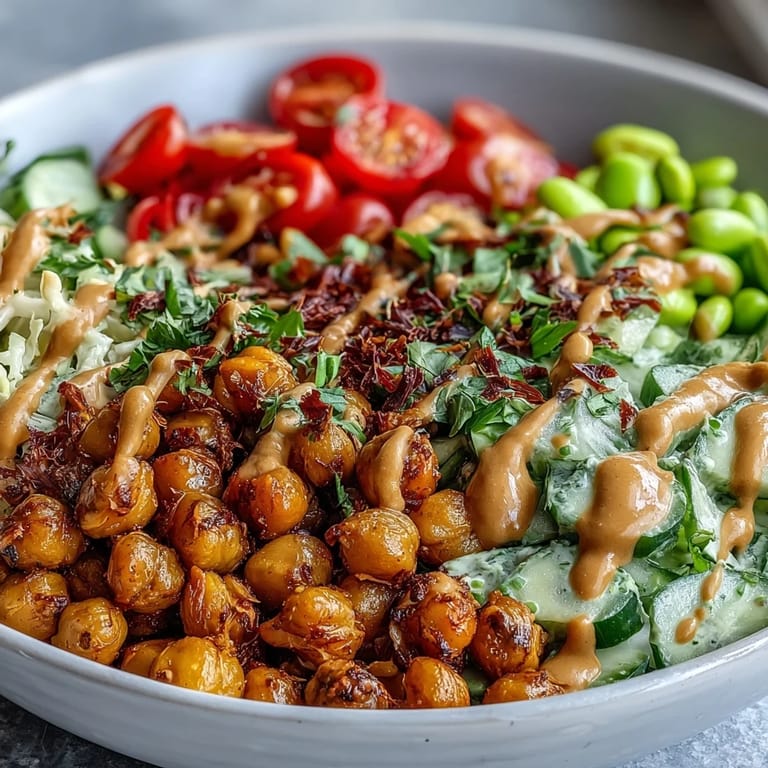
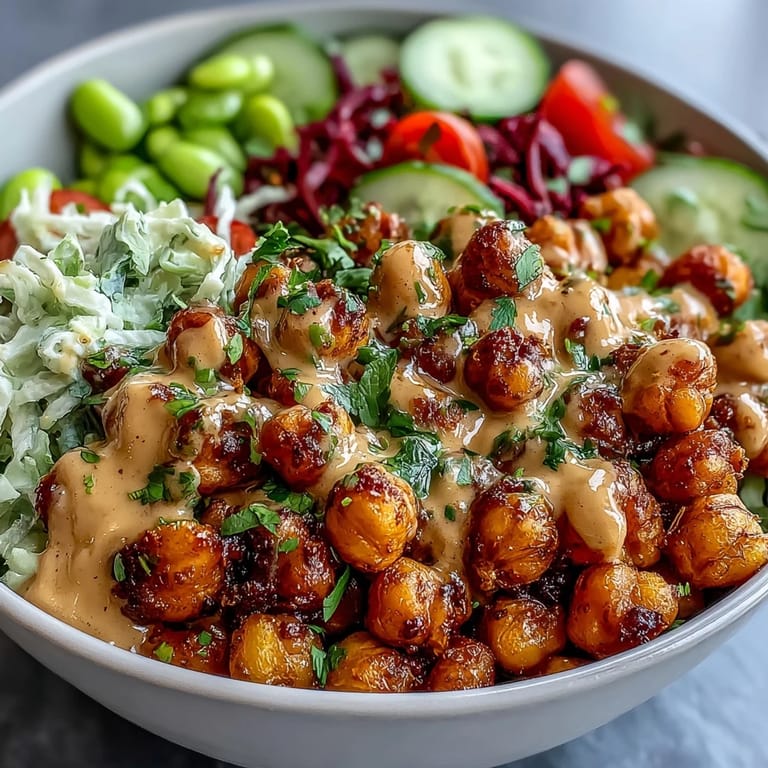
Save There's something almost magical about the moment when you realize a bowl of food can genuinely change how you feel for the rest of your day. I discovered this Peanut Chickpea Protein Bowl on an ordinary Tuesday when I'd completely emptied my fridge and needed something substantial but not complicated. The chickpeas were already on the shelf, the peanut butter was a given, and somehow when I roasted those humble legumes with smoked paprika, something clicked—crispy on the outside, creamy within, like a tiny edible revelation.
I made this for my friend James on a Saturday afternoon when he mentioned being tired of sad desk lunches, and watching him actually close his eyes after that first bite told me everything. He's the type who usually eats while staring at his phone, but this bowl commanded attention—the textures, the way the peanut sauce clung to everything, the little bursts of heat from the sriracha. We ended up sitting outside longer than planned, talking about meal prep and how good food doesn't have to be complicated, just intentional.
Ingredients
- Chickpeas (2 cans, drained and rinsed): These are your protein powerhouse, and rinsing them thoroughly prevents that starchy, canned taste—trust me on this one.
- Olive oil (1 tbsp): Just enough to coat without making them greasy, creating that crispy exterior you're after.
- Smoked paprika (1 tsp): The secret weapon that makes these chickpeas taste like they came from somewhere special and intentional.
- Ground cumin and garlic powder (1/2 tsp each): These warm spices build depth so the bowl doesn't taste one-dimensional.
- Salt and black pepper (1/2 tsp and 1/4 tsp): Season generously—bland chickpeas are a tragedy worth avoiding.
- Brown rice or quinoa (2 cups cooked): The canvas for everything else; quinoa adds extra protein if you're really committed to that angle.
- Red cabbage, carrots, cucumber, cherry tomatoes (1 cup each, roughly): The vegetables should be fresh and crisp—this is where color and crunch happen.
- Edamame (1/2 cup cooked and shelled): Another protein layer that adds a pleasant pop of texture and bright green color.
- Fresh cilantro (1/4 cup chopped): A small amount goes remarkably far—it keeps things feeling fresh and alive.
- Creamy peanut butter (1/3 cup): The natural kind works beautifully, or use conventional if that's what's in your cabinet.
- Soy sauce (2 tbsp, or tamari for gluten-free): Tamari is genuinely indistinguishable here and worth keeping around if you're cooking for anyone avoiding gluten.
- Maple syrup or honey (1 tbsp): Just a touch of sweetness to balance the salt and umami, creating harmony rather than confusion.
- Rice vinegar (1 tbsp): Brings brightness that prevents the peanut sauce from feeling heavy.
- Sriracha or chili sauce (1 tsp optional): This is where you customize heat—add it, skip it, or adjust to your actual preference.
- Garlic (1 clove minced): Fresh garlic in the sauce tastes noticeably better than powder, though that's what I use in the chickpea seasoning.
- Warm water (2–4 tbsp): The difference between a thick paste and a sauce you can actually drizzle, so start with less and add gradually.
- Roasted peanuts (2 tbsp chopped) and sesame seeds (1 tbsp optional): The finishing garnish that adds crunch and makes everything feel intentional.
- Lime wedges: A squeeze of fresh lime right before eating brightens the entire bowl in an almost shocking way.
Tired of Takeout? 🥡
Get 10 meals you can make faster than delivery arrives. Seriously.
One email. No spam. Unsubscribe anytime.
Instructions
- Heat your oven and prep your workspace:
- Set the oven to 425°F and line a baking sheet with parchment paper—this prevents sticking and makes cleanup dramatically easier than you'd expect.
- Coat and season the chickpeas:
- Drain and rinse your canned chickpeas thoroughly, then toss them in a bowl with olive oil and all those warm spices. The smell alone tells you this is going somewhere good.
- Roast until they're crispy:
- Spread the chickpeas on your prepared sheet and roast for 20–25 minutes, shaking the pan halfway through so they brown evenly. You want them golden and definitely crispy when they come out—they'll continue crisping slightly as they cool.
- Make the peanut sauce while chickpeas roast:
- Whisk together peanut butter, soy sauce, maple syrup, rice vinegar, sriracha if using, minced garlic, and 2 tablespoons of warm water. Start with that amount of water and add more gradually until you reach a drizzle-able consistency—this sauce should coat a spoon but still flow.
- Prepare your grains and vegetables:
- Cook your rice or quinoa if you haven't already, then arrange your vegetables on a cutting board—slice the cucumber, halve the tomatoes, shred the cabbage, julienne the carrots. Having everything prepped and ready means assembly happens smoothly.
- Assemble and serve:
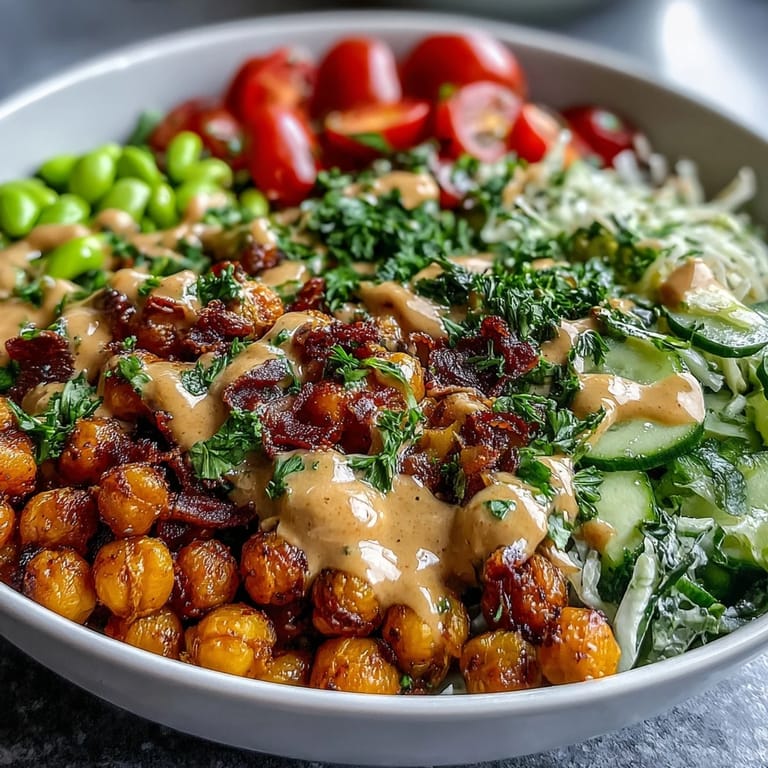
- Divide your grain among four bowls, then top each with roasted chickpeas, all your vegetables, edamame, and fresh cilantro. Drizzle generously with peanut sauce, scatter on your chopped peanuts and sesame seeds, and serve with lime wedges on the side for people to squeeze over as they eat.
 Save
Save This bowl has quietly become something people ask me to bring to potlucks, which feels absurd until you remember that real food made without pretense is actually what people want to eat. There's no obscure technique here, no ingredient you can't find at any grocery store, just choices that work together in a way that feels generous and complete.
The Sauce Philosophy
That peanut sauce is honestly the reason this bowl works at all—it's the connective tissue that makes separate elements feel intentional. I've learned through multiple batches that the ratio matters less than tasting as you go, adjusting the heat with sriracha based on your actual mood that day. Sometimes you want it almost whisper-quiet, other times you want your mouth to remember it for a while—that flexibility is the whole point.
Making It Your Own
The beauty of this formula is how it accepts substitution without falling apart—swap the brown rice for cauliflower rice if you're tracking carbs, add spinach or kale if you want more greens, use any vegetables that need rescuing from your crisper drawer. The chickpeas and sauce are really what make it this particular dish; everything else is negotiable based on what makes sense in your kitchen.
Timing and Meal Prep
This bowl comes together in about 45 minutes total, which is genuinely not bad for something this satisfying, and it actually improves if you make the components separately and assemble just before eating. The chickpeas stay crispy, the sauce doesn't soak into everything, and you get that fresh vegetable texture that makes the whole thing feel alive. If you're prepping for the week, roast your chickpeas, make your sauce in a separate container, and keep vegetables sliced and stored—assembly becomes a five-minute operation when you're actually hungry.
- The roasted chickpeas keep their crispness for several days in an airtight container if you need advance preparation.
- Fresh lime juice squeezed right into the sauce right before serving brightens everything dramatically.
- This works beautifully as a cold lunch the next day if you keep the sauce separate until you're ready to eat.
 Save
Save This bowl somehow became the thing I make when I want to feel nourished and capable at the same time, which is maybe the best compliment a recipe can receive. It's the kind of meal that makes you feel like you're taking care of yourself without it feeling like a chore.
Recipe FAQs
- → Can I make this bowl gluten-free?
Yes, simply substitute tamari for the soy sauce in the peanut sauce. All other ingredients are naturally gluten-free, making this bowl easily adaptable for gluten-free diets.
- → How long do roasted chickpeas stay crispy?
Roasted chickpeas are best enjoyed immediately while still crispy from the oven. If storing leftovers, keep the chickpeas separate from vegetables and sauce to maintain texture. They can be re-crisped in a 350°F oven for 5-10 minutes.
- → Can I prepare components ahead of time?
Absolutely. The vegetables can be sliced up to 2 days in advance, and the peanut sauce keeps refrigerated for up to a week. Cook grains ahead and store in the fridge. Roast chickpeas fresh for best texture, or assemble everything just before serving.
- → What other proteins work in this bowl?
Beyond chickpeas, try roasted tofu cubes, grilled chicken strips, or tempeh. Edamame already contributes additional protein. For a heartier version, add a soft-boiled egg or shredded rotisserie chicken.
- → How can I adjust the peanut sauce consistency?
The sauce thickens when refrigerated. Thin with warm water, 1 tablespoon at a time, until pourable. For a thicker dipping consistency, use less water. The sauce should coat the back of a spoon.
- → What vegetables can I substitute?
Swap cabbage for shredded kale or Brussels sprouts. Try bell peppers, snap peas, or shredded beets. For cooked options, add roasted sweet potato cubes or steamed broccoli. Keep a mix of colors and textures for the best experience.