 Save
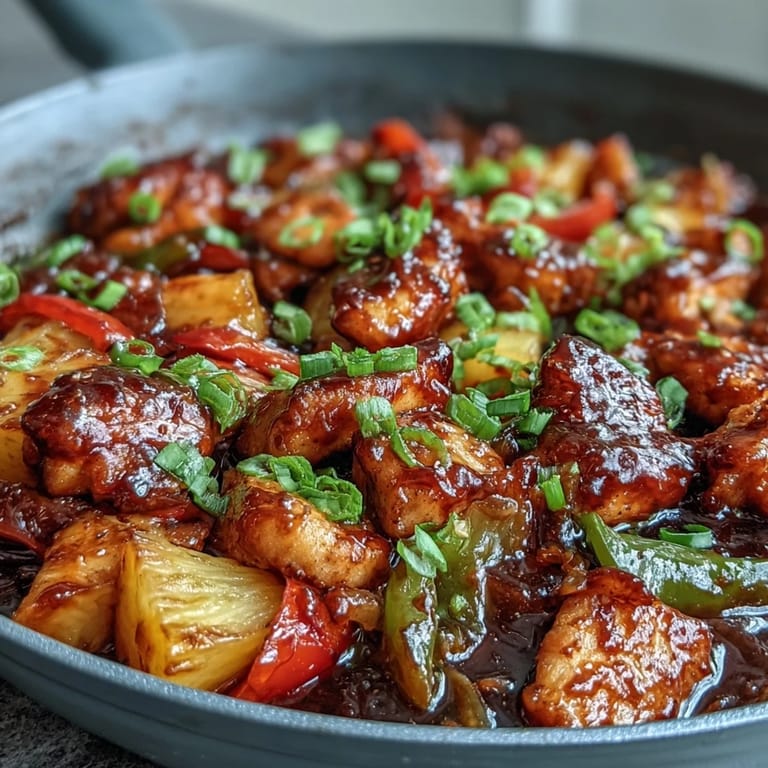
Save There's something about the sizzle of chicken hitting a hot skillet that makes weeknight cooking feel less like a chore and more like an adventure. My kitchen was small back then, barely room for two people to stand side by side, but that's exactly where my partner and I would end up on Thursday nights, watching a simple pan transform into something restaurant-worthy in under forty minutes. The first time I made this sweet and sour chicken, I wasn't trying to impress anyone—I just wanted dinner that didn't come from a takeout menu. What surprised me was how the pineapple juice mingled with the vinegar and ketchup, creating this glossy sauce that clung to every piece of chicken like it belonged there all along.
I made this for my brother on a random Tuesday and watched him slow down mid-bite, the way people do when something unexpected delights them. He'd been going through a rough patch, and I'd thrown this together without much fanfare, just wanting to feed him something warm. When he asked for the recipe, I realized that sometimes the best meals aren't the ones you plan for weeks—they're the ones that show up because you decided someone mattered more than convenience.
Ingredients
- Boneless, skinless chicken breast (1.5 lbs), cut into 1-inch cubes: Cutting them uniform ensures everything cooks at the same pace, no dry edges fighting with undercooked centers.
- Cornstarch (2 tbsp for coating): This isn't just filler—it creates a delicate crust that helps the sauce cling and gives you those tiny crispy bits that make people ask what you did differently.
- Salt and black pepper: Season the chicken before it hits the pan; it sounds simple but makes an enormous difference in how the meat tastes on its own.
- Vegetable oil (2 tbsp): Use enough to let the chicken brown without steaming, and don't overcrowd the pan.
- Red and green bell peppers (1 of each), cut into 1-inch pieces: The colors matter both visually and for slightly different flavor profiles—red is sweeter, green has more bite.
- Small red onion, cut into wedges: Red onions stay slightly more intact during cooking and add a mild sweetness that white or yellow would miss.
- Fresh pineapple chunks or canned (1 cup, drained): If using canned, save that juice for the sauce—it's liquid gold and costs you nothing.
- Garlic (2 cloves, minced) and fresh ginger (1-inch piece, grated): These two together wake up your palate and prevent the dish from tasting one-dimensional.
- Rice vinegar (⅓ cup): This is milder than white vinegar and lets the other flavors breathe instead of shouting over them.
- Ketchup (¼ cup): It bridges sweet and savory in a way that feels almost invisible until you taste what happens without it.
- Brown sugar (¼ cup): Gentler than white sugar and adds a subtle molasses note that lingers.
- Soy sauce (3 tbsp): Your umami anchor; this is where the depth lives.
- Pineapple juice (2 tbsp): Reinforces the tropical element and adds natural sweetness so you don't have to rely entirely on sugar.
- Cornstarch slurry (1 tbsp cornstarch mixed with 2 tbsp water): Mix this right before you need it, or it'll separate and you'll have to whisk again anyway.
Tired of Takeout? 🥡
Get 10 meals you can make faster than delivery arrives. Seriously.
One email. No spam. Unsubscribe anytime.
Instructions
- Coat your chicken pieces:
- Toss the cubed chicken with cornstarch, salt, and pepper in a bowl until every piece wears a light, even coating. This step takes two minutes and makes a bigger difference than you'd expect.
- Brown the chicken in batches:
- Heat your skillet over medium-high heat with 1 tbsp oil, then add half the chicken in a single layer—don't crowd the pan or it'll steam instead of sear. Let each side develop a golden-brown crust for about 3 to 4 minutes total, then transfer to a clean plate and repeat with the remaining chicken and oil.
- Build flavor with aromatics:
- In that same skillet with all its browned bits still clinging to the bottom, add your minced garlic and grated ginger for about 30 seconds until the smell stops you mid-thought. Then add the onion wedges and bell pepper pieces, stirring occasionally for 3 to 4 minutes until they're just starting to soften but still have some snap.
- Add the pineapple and chicken back in:
- Scatter those pineapple chunks into the pan and nestle the browned chicken back in among them. Let everything sit together for a moment so the flavors start noticing each other.
- Mix and pour the sauce:
- In a small bowl, whisk rice vinegar, ketchup, brown sugar, soy sauce, and pineapple juice until the sugar dissolves slightly. Pour this right over everything in the skillet, and you'll hear a small sizzle that tells you something good is about to happen.
- Thicken and finish:
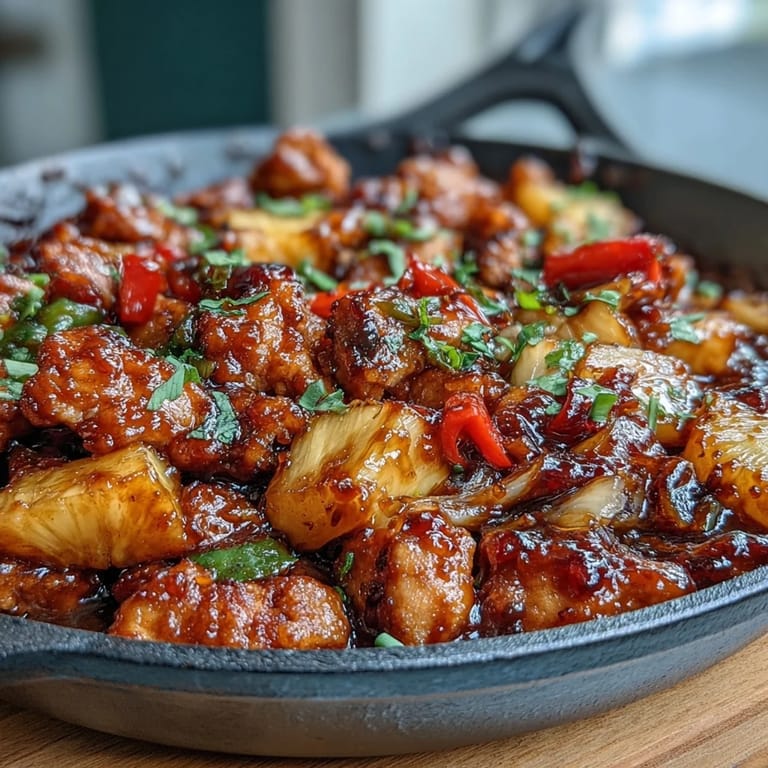
- Bring the whole skillet to a simmer, then stir in your cornstarch slurry while everything bubbles gently. Cook, stirring often, for 2 to 3 minutes until the sauce coats the back of a spoon and the chicken is cooked through—cut into the largest piece to check.
- Serve and garnish:
- Ladle everything over steamed rice while it's still hot and glossy. A scatter of sliced green onions or sesame seeds adds finish without effort.
 Save
Save Years later, I still make this dish when I want something that feels both comforting and bright, like proof that you don't need hours in the kitchen to feed yourself well. There's freedom in that—the kind that lets you show up for people without exhausting yourself first.
Why This Becomes a Regular
This recipe sits in that perfect middle ground between weeknight energy and company-coming-over ambition. You can have it on the table faster than most takeout, but it looks intentional enough that nobody suspects you made it in thirty-five minutes. The one-skillet aspect means cleanup happens while you're still hungry, and honestly, that matters more than people admit.
Flexibility Without Compromise
Chicken breast is lean and cooks quickly, but if you prefer juicier meat and don't mind waiting a few extra minutes, swap in boneless, skinless thighs instead—they're more forgiving and develop deeper flavor. For heat lovers, a pinch of red pepper flakes scattered into the sauce transforms this from crowd-pleasing to exciting. If gluten is a concern, tamari or coconut aminos swap in for soy sauce without sacrificing that savory depth, and cauliflower rice works beautifully for serving if you're watching carbs.
The Sauce Is Everything
The ratio of sweet to sour to savory in this sauce took me three attempts to find balanced, and now I understand why it matters. Too much vinegar and the dish tastes harsh, too much sugar and it's cloying, but hit the middle and something almost alchemical happens—each flavor enhances the others instead of competing. The pineapple juice is the secret handshake that makes this feel less like an American interpretation of Asian food and more like its own genuine thing.
- Taste the sauce before it thickens and adjust now, not after—add a splash more vinegar if it feels sweet, a pinch of sugar if it tastes sharp.
- Fresh pineapple chunks look prettier and taste slightly brighter than canned, but canned works perfectly well if that's what your kitchen offers.
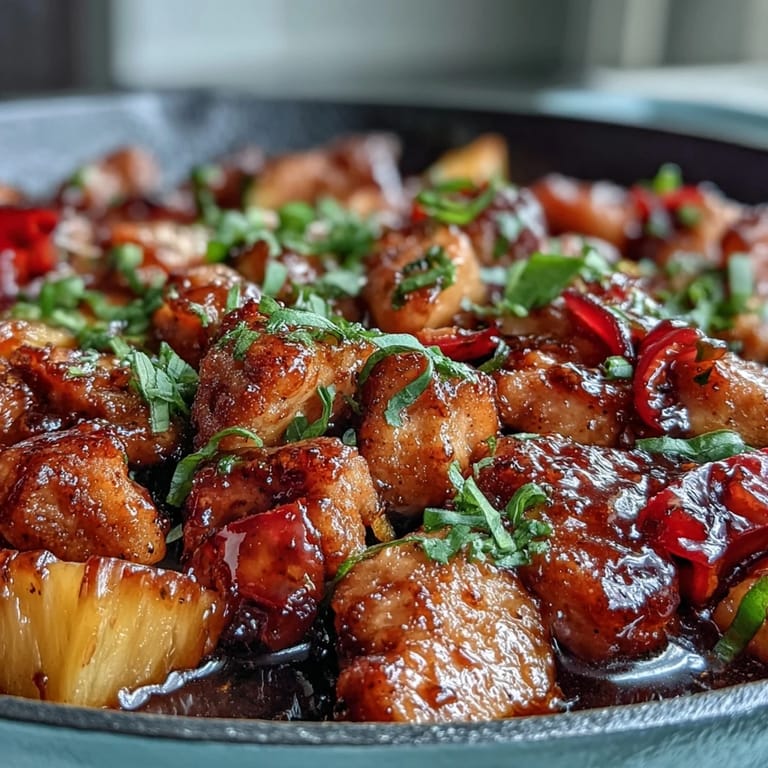
- The cornstarch slurry thickens the sauce to a glossy coat rather than a heavy gravy, which is exactly the point.
 Save
Save This dish reminds me that cooking is less about following rules perfectly and more about understanding what your ingredients want to do together. Make it tonight, make it again next week, and eventually it'll become muscle memory—the kind of dinner you can pull together when you're tired but still want to eat well.
Recipe FAQs
- → What cut of chicken works best for this dish?
Boneless, skinless chicken breast is ideal for even cooking and tenderness, but thighs can be used for a juicier result.
- → Can I use fresh pineapple instead of canned?
Yes, fresh pineapple adds vibrant sweetness and texture. Ensure it's cut into bite-sized chunks for even cooking.
- → How do I achieve the perfect sauce consistency?
Whisk cornstarch with water to create a slurry and add it to the simmering sauce, stirring until it thickens to a glossy finish.
- → What sides pair well with this dish?
Steamed white rice, brown rice, or cauliflower rice complement the flavors and soak up the savory sweet and sour sauce nicely.
- → Can I add heat to the dish?
Yes, a pinch of red pepper flakes stirred into the sauce will add a pleasant, mild heat without overpowering the flavors.