 Save
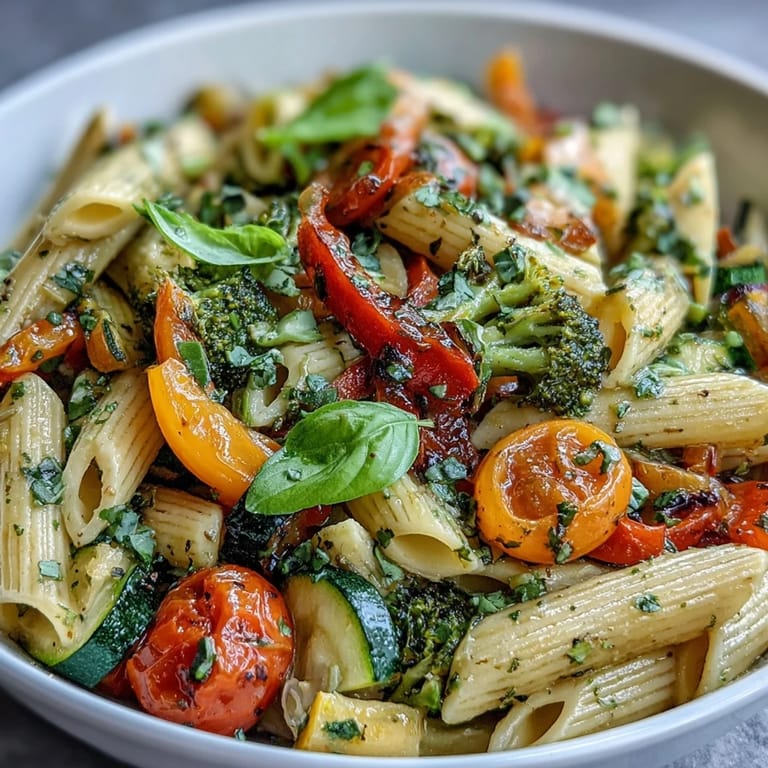
Save There's something magical about watching a pot transform into a complete meal—no draining, no second pan lurking in the sink. I discovered this one-pot magic on a Tuesday evening when I was out of patience and fresh out of clean dishes. The kitchen filled with this incredible aroma of lemon and basil, and by the time the pasta had softened into the vegetable broth, I realized I'd accidentally created something that felt both effortless and restaurant-worthy.
I made this for my sister last spring when she was visiting and mentioned offhand that she'd gone vegan. Instead of getting stressed about accommodating her, I threw this together and watched her face light up as she twirled the pasta around her fork. She asked for the recipe before she even finished eating, which told me everything I needed to know.
Ingredients
- Dried penne or fusilli (340 g): The pasta is your canvas here—the spiral shapes trap the broth and vegetables in every bite, so choose something with texture rather than smooth tubes.
- Red onion: Sliced thin so it becomes almost translucent and sweet when it hits the hot oil, serving as your flavor foundation.
- Garlic (2 cloves): Mince it fine so it disperses throughout the pot rather than leaving chunks; it should almost dissolve into the broth.
- Red and yellow bell peppers: The color matters here as much as the taste—they keep the dish visually exciting and add a subtle sweetness that rounds out the lemon.
- Zucchini: Half-moons cook faster than chunks and soak up flavor beautifully without turning to mush if you time it right.
- Cherry tomatoes: Halved so they release their juices into the broth and create little pockets of acidity throughout.
- Snap peas or green beans: These add a gentle crunch that survives the cooking process and keeps the dish from feeling too soft.
- Broccoli florets: Small pieces work best; they'll soften slightly but hold their shape if you don't overcook.
- Vegetable broth (900 ml): Low-sodium lets you taste everything else and adjust salt to your preference—store-bought is fine, but homemade changes the whole game.
- Extra-virgin olive oil (2 tbsp): The good stuff, drizzled at the start to build flavor from the first moment the onion hits the pan.
- Sea salt and black pepper: Taste as you go because pasta absorbs seasoning as it cooks, and you want to catch it before it's too salty.
- Red pepper flakes: Optional but worthwhile if you like a whisper of heat that builds as you eat.
- Lemon zest and juice: The zest goes in at the end to keep its brightness; the juice brightens everything without making it taste sour.
- Fresh basil leaves: Tear them by hand rather than chopping so they release their oils on the plate instead of bruising them.
- Nutritional yeast: A sprinkle creates an umami depth and cheesy note that makes it feel indulgent without any animal products.
Tired of Takeout? 🥡
Get 10 meals you can make faster than delivery arrives. Seriously.
One email. No spam. Unsubscribe anytime.
Instructions
- Build your flavor base:
- Heat the olive oil over medium heat in your largest pot, then add the sliced onion and minced garlic. Listen for the gentle sizzle and watch until the onion turns glassy and translucent—this takes about 2 to 3 minutes and is where the magic starts because you're creating a sweet, aromatic foundation.
- Soften the vegetables:
- Toss in the bell peppers, zucchini, cherry tomatoes, snap peas, and broccoli, stirring everything together so it coats in that fragrant oil. Let them cook for 3 to 4 minutes until the peppers just start to soften and the broccoli brightens—you're not trying to finish them here, just wake them up.
- Commit to the one pot:
- Add the dry pasta directly to the pot along with the vegetable broth, salt, pepper, and red pepper flakes if you're using them. Stir well so the pasta doesn't clump and everything mingles together, then watch it carefully because this is the moment the dish comes alive.
- Let it simmer and absorb:
- Bring the whole thing to a boil over high heat, then lower it to a gentle simmer. Cook uncovered for 10 to 12 minutes, stirring often so the pasta doesn't stick to the bottom, and you'll feel that moment when it transitions from brothy to creamy as the pasta releases its starch into the liquid.
- Finish bright:
- Once the pasta is tender and most of the liquid has been absorbed, remove the pot from heat and stir in the lemon zest, lemon juice, torn basil, and nutritional yeast if using. The brightness hits you immediately, cutting through the richness and making everything taste alive.
- Taste and adjust:
- Take a bite and season more if needed—this is your moment to make it exactly right before it hits the table.
 Save
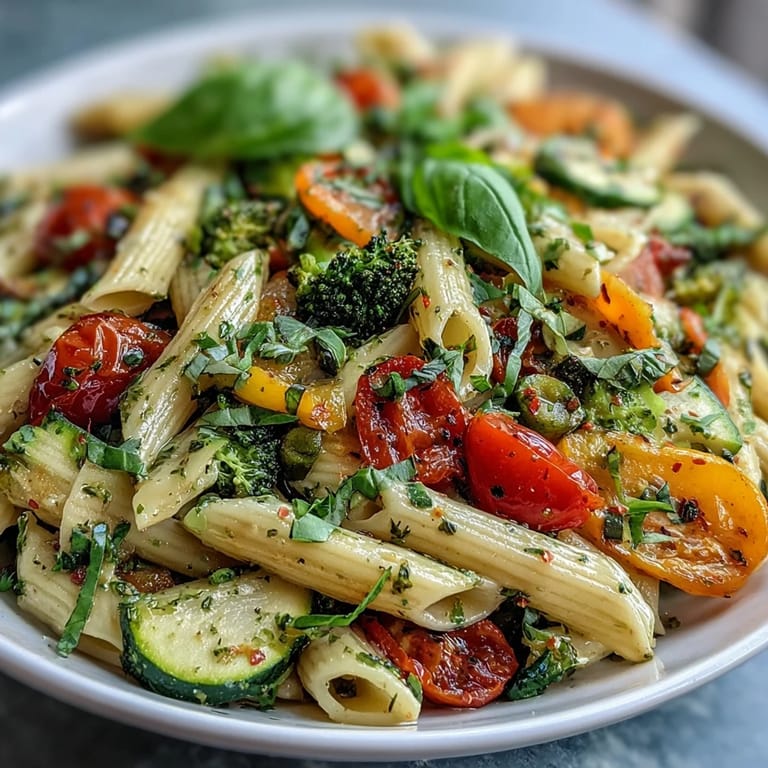
Save There was this moment when a friend took a second bite and said, 'I honestly forgot I was eating vegan,' which is the highest compliment a dish like this can receive. It stopped being about dietary restrictions and just became about really good food that happens to be plant-based.
Why One Pot Changes Everything
Cooking pasta in broth instead of water sounds simple, but it's transformative—every grain of pasta drinks in flavor from the very beginning rather than sitting in bland water and hoping for seasonings to reach it later. I started doing this years ago when I read about risotto and realized the principle applies to pasta too. Now when I make regular pasta, the old method feels wasteful by comparison.
Vegetables That Actually Matter
The key is choosing vegetables with different textures and cooking times so everything finishes at the same moment—peppers and zucchini soften beautifully while snap peas and broccoli keep their bite. I've made this dozens of ways, and the dishes that disappointed were the ones where I tossed everything in at once and got a mushy mess. Now I'm strategic about what hits the pot first and when each ingredient gets its moment.
Elevating It Without Complexity
This dish feels elegant enough to serve to guests who expect something fancy, yet simple enough that you're not stressed in the kitchen. I've added crispy toasted pine nuts scattered on top, a drizzle of really good olive oil, or even some thinly shaved raw vegetables after serving—small touches that take three minutes but make people think you spent all afternoon cooking. Sometimes I'll use whatever vegetables are in best shape at the market that week, which keeps it seasonal and interesting without changing the fundamentals.
- If you find yourself with leftover pasta, it firms up as it cools and actually makes an excellent cold salad the next day with a squeeze more lemon.
- Toast any nuts you're adding in a dry pan for just two minutes—it releases their oils and makes them taste about ten times better.
- Fresh herbs beyond basil work beautifully here: parsley, dill, or even fresh mint if you're feeling adventurous.
 Save
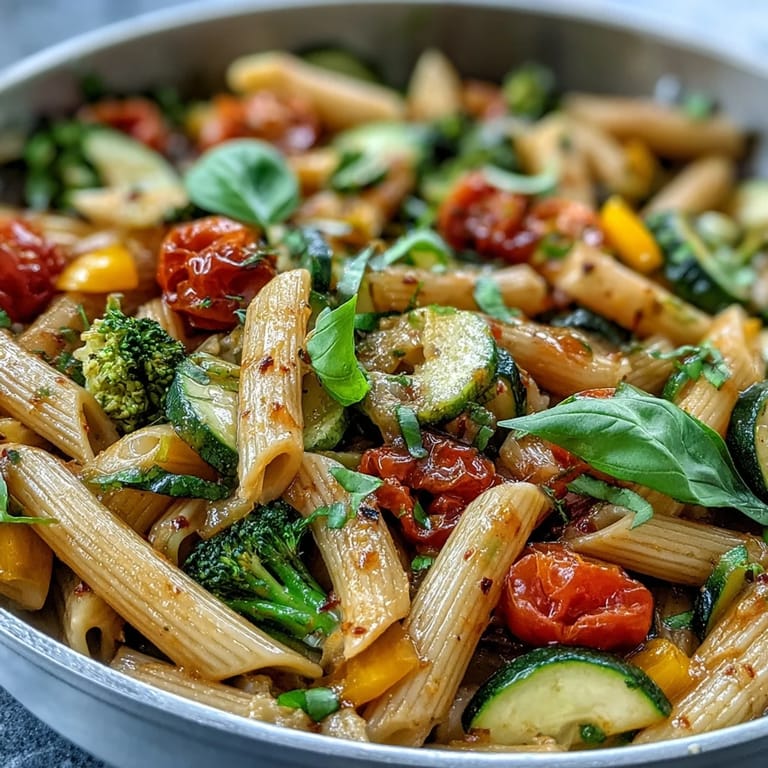
Save This is the kind of recipe that rewards you immediately and continues rewarding you—easy on a weeknight, impressive enough for guests, and so naturally delicious that everyone forgets to ask if it's vegan. Make it once and it becomes part of your rotation.
Recipe FAQs
- → What vegetables are included in this dish?
It features bell peppers, zucchini, cherry tomatoes, snap peas or green beans, broccoli, red onion, and garlic for a colorful, fresh mix.
- → Can I use gluten-free pasta here?
Yes, substitute your choice of gluten-free pasta to keep the dish suitable for gluten sensitivities.
- → How do I achieve the perfect pasta texture?
Cook the pasta uncovered in broth, stirring frequently, for 10-12 minutes until al dente and most liquid is absorbed.
- → What adds the zesty citrus flavor?
Lemon zest and juice are stirred in at the end to brighten the dish with fresh citrus notes.
- → Is nutritional yeast necessary?
It’s optional but adds a savory, cheesy flavor that complements the vegetables nicely.
- → What cooking tools are recommended?
A large pot or Dutch oven is ideal for even cooking, plus a sharp knife, cutting board, and wooden spoon for prep and stirring.