 Save
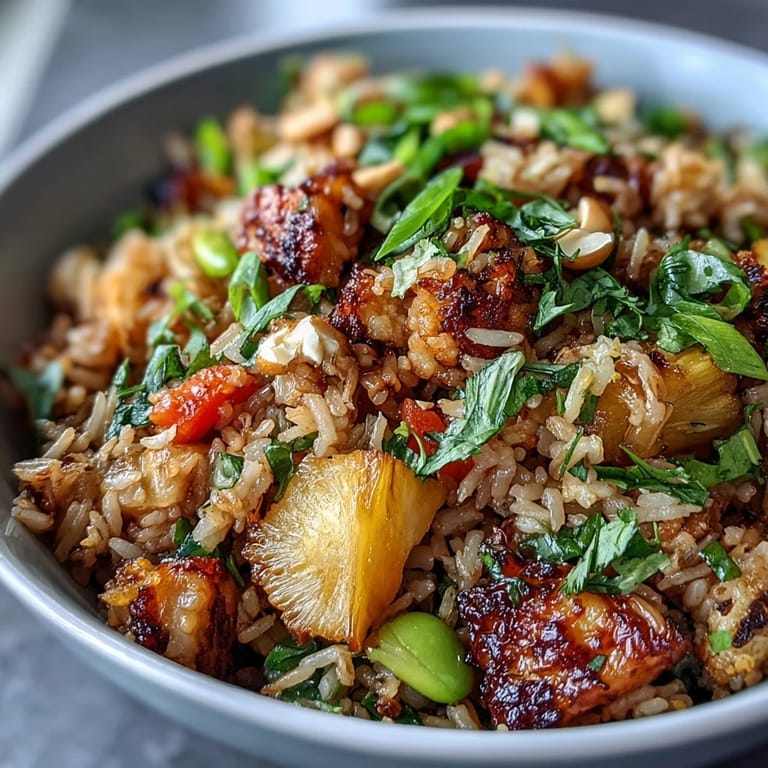
Save My friend brought home a hollowed pineapple one Tuesday and challenged me to make something unexpected with it, which sent me spiraling through the produce section hunting for colors that would pop. I'd always played it safe with fried rice, but something about that fruit shell made me think: why not lean into the sweetness instead of fighting it? That night, riced cauliflower hit the pan alongside bright chunks of pineapple, and the kitchen filled with this incredible aroma that felt neither fully Asian nor strictly tropical, but something better—entirely its own.
I'll never forget my coworker's face when I packed this in a lunch container and heated it in the office microwave—she kept asking what smelled so good, convinced I'd ordered from somewhere fancy. Sharing it taught me that plant-based eating doesn't mean sacrificing flavor or satisfaction, and now she makes it every Sunday.
Ingredients
- Cauliflower, riced (about 5 cups from 1 medium head): This is your rice substitute, and the magic happens when you pulse it yourself rather than buying pre-riced—the texture feels fresher and cooks more evenly.
- Pineapple, diced (1 cup fresh or canned, drained): Fresh tastes brighter, but canned works beautifully if that's what you have; just drain it well so the rice doesn't get soggy.
- Edamame, shelled and thawed (1 cup): These little green powerhouses add protein and a subtle earthiness that grounds the sweetness without fighting it.
- Red bell pepper, diced (1): The color matters here as much as the flavor—it adds visual pop and a gentle sweetness that complements the pineapple.
- Green onions, thinly sliced (4): Split these in half and add whites during cooking, greens at the end so you get both cooked mildness and fresh bite.
- Garlic, minced (2 cloves): Two cloves is enough to perfume the oil without overpowering; don't skip mincing because chunks will burn.
- Carrot, diced (1 medium): Cut these smaller than you think—they need time to soften and sweeten in the pan.
- Peas, fresh or frozen (1/2 cup): These thaw instantly in the hot pan and add a pop of sweetness that echoes the pineapple.
- Tamari or soy sauce (3 tablespoons): Tamari is naturally gluten-free if that matters to you; the umami deepens everything without overpowering.
- Toasted sesame oil (1 tablespoon): This is not a cooking oil—it's a flavor bomb, so add it after heat is off the burner to preserve those toasted notes.
- Fresh ginger, grated (1 teaspoon): A microplane grater releases oils and spreads the warmth evenly; jarred ginger works if you're in a rush.
- Rice vinegar (1 tablespoon): The acidity brightens everything and prevents the dish from tasting cloying despite the fruit.
- Sriracha or chili-garlic sauce (1 teaspoon, optional): This is your heat insurance—start with less if you're unsure and taste as you go.
- Salt and black pepper: Season confidently at the end; the soy sauce adds salt, so go easy initially.
- Roasted cashews or peanuts, chopped (2 tablespoons): The crunch is essential; raw nuts won't give you that satisfying texture contrast.
- Fresh cilantro or basil, chopped (2 tablespoons): Split this too—half cooks in, half stays raw so you get both depth and brightness.
- Lime wedges (1 lime): These are not optional; a squeeze before eating ties the whole bowl together.
Tired of Takeout? 🥡
Get 10 meals you can make faster than delivery arrives. Seriously.
One email. No spam. Unsubscribe anytime.
Instructions
- Turn cauliflower into rice:
- Cut your cauliflower into florets, removing the core and dense parts first. Pulse batches in a food processor until the pieces resemble short-grain rice—some texture is good, but avoid turning it into powder.
- Heat your pan and build flavor:
- Place a large skillet or wok over medium-high heat and pour in sesame oil, waiting until it shimmers faintly. Add garlic, ginger, and the white parts of your green onions, stirring constantly for about a minute until the kitchen smells intoxicating.
- Soften the harder vegetables:
- Toss in diced carrot and bell pepper, stirring frequently for 2 to 3 minutes until they lose their raw crunch but still have some resistance. You want them to soften without becoming limp.
- Cook the cauliflower rice:
- Add your riced cauliflower and stir it into the pan, breaking up any clumps as you go. Let it cook for 4 to 5 minutes, stirring often, until it becomes tender but doesn't turn mushy—you're looking for a texture like cooked but distinct grains.
- Bring the remaining ingredients into the party:
- Stir in peas, edamame, and pineapple, cooking for 2 to 3 minutes until everything is heated through and the pineapple has softened slightly at the edges. The pan will start smelling sweet and savory at once.
- Season and unite the flavors:
- Pour in tamari, rice vinegar, and sriracha if using, then toss everything together until every grain of cauliflower wears a light coat of sauce. Taste and season with salt and pepper—remember the soy sauce has already salted things.
- Finish with fresh elements:
- Remove from heat and stir in the green parts of your green onions and about half the cilantro, letting the residual heat soften them just slightly. This step adds a brightness that keeps the dish from feeling heavy.
- Plate and serve:
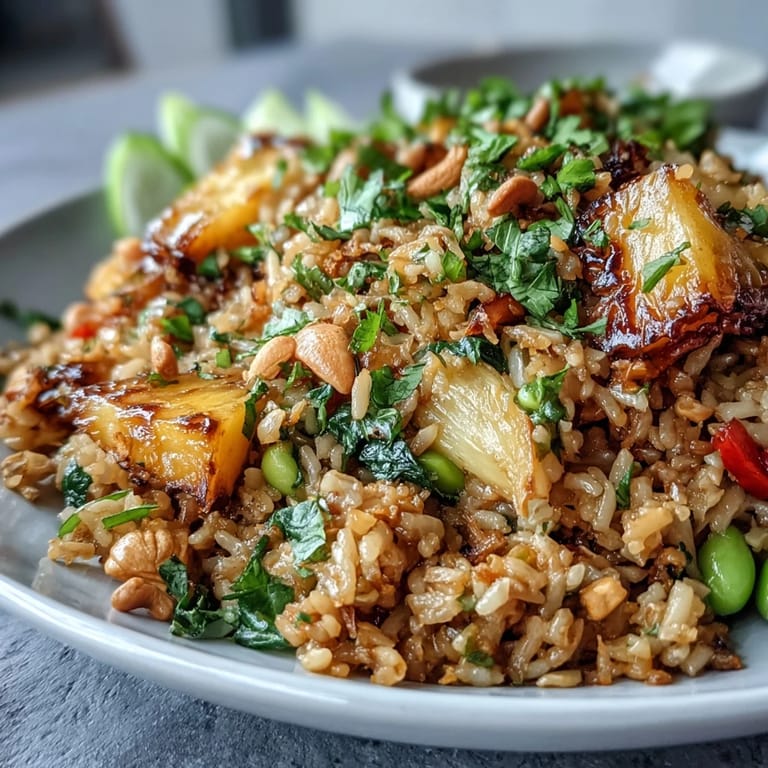
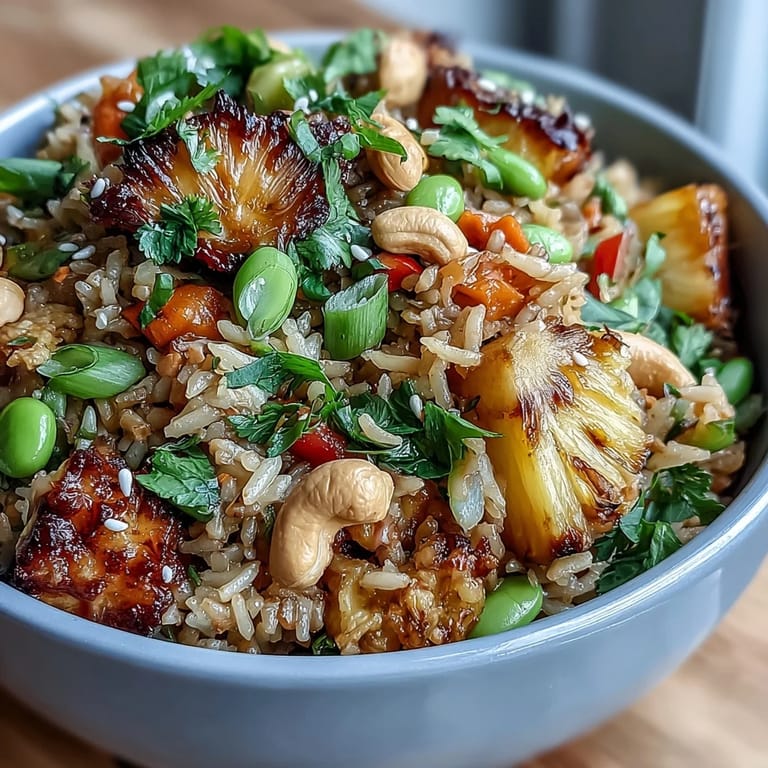
- Transfer to bowls or, for something special, into hollowed-out pineapple halves. Top with chopped nuts, remaining cilantro, and a lime wedge, squeezing it over everything just before you eat.
 Save
Save This dish became my go-to when I wanted to prove that vegan cooking wasn't about deprivation, and watching skeptical friends brighten up after their first bite made cooking feel like sharing a small magic trick. It taught me that constraints—in this case, no animal products—sometimes spark the most interesting flavors.
Why This Works as a Complete Meal
Cauliflower rice handles the volume that makes a dish feel substantial without requiring grains, while edamame and peanuts deliver the protein and healthy fats that make your body feel satisfied hours later. The pineapple and vinegar provide brightness and acidity that would normally come from meat-based umami, creating a bowl that feels balanced and complete rather than missing something.
Storage and Making It Ahead
This reheats beautifully in the microwave or a quick pan sauté, and it actually tastes better the next day once the flavors have settled and mingled. I've kept batches for three days refrigerated in airtight containers, though by day three the cauliflower gets softer—not bad, just different, like a comfort version of the original.
Variations and Customizations
Once you master the basic technique, this dish becomes a canvas for whatever vegetables you have on hand or whatever season dictates. Water chestnuts add a crunch that mimics cashews if you need texture without nuts, while swapping edamame for tofu cubes works if you want the protein but prefer a different taste profile.
- For even more crunch and visual interest, dice snap peas or add them at the very end so they stay crisp.
- If you can't find or don't like pineapple, mango or a combination of both creates a similarly tropical sweetness.
- Serve it stuffed into hollowed pineapple halves for a presentation that stops conversations mid-meal.
 Save
Save This bowl proved to me that satisfying food doesn't require following traditional rules, and now whenever someone mentions they're trying to eat lighter or plant-forward, this is the first thing I suggest. It's proof that constraint creates creativity, and that sometimes the best meals come from asking yourself what sounds impossible and then making it anyway.
Recipe FAQs
- → Can I use frozen pineapple for this dish?
Yes, frozen pineapple works well. Just make sure to drain any excess liquid before adding to keep the texture balanced.
- → What can I substitute for edamame?
Tofu cubes or green peas are great alternatives that maintain protein content and texture.
- → How do I rice cauliflower without a food processor?
You can grate cauliflower using a box grater to achieve rice-sized pieces manually.
- → Is this dish suitable for gluten-free diets?
Yes, by using gluten-free tamari or soy sauce, the dish remains gluten-free.
- → How can I add more texture to this meal?
Incorporate diced water chestnuts or snap peas for a refreshing crunch.